Real stars, real planets.
Alpha Centauri, TRAPPIST-1, Sirius, Vega, Betelgeuse and more than 200 hand-charted systems, including real binaries and confirmed exoplanets.
 ROCKET FOUNDRYPlay free
Free 2D space sandbox
A rocket building game with real orbital physics. Put a spacecraft together part by part, fly the solar system at full scale, then point it at one of 1,215 real nearby stars and the procedurally generated worlds beyond. Alone, or with friends in the same universe.
Windows · Linux · Android · iOS
1:1the real solar system, at full size
1,215real star systems you can fly to
∞generated worlds across the Milky Way
317parts for rockets, rovers, planes and stations
Freeon Windows, Linux, Android and iOS
01 / Interstellar travel
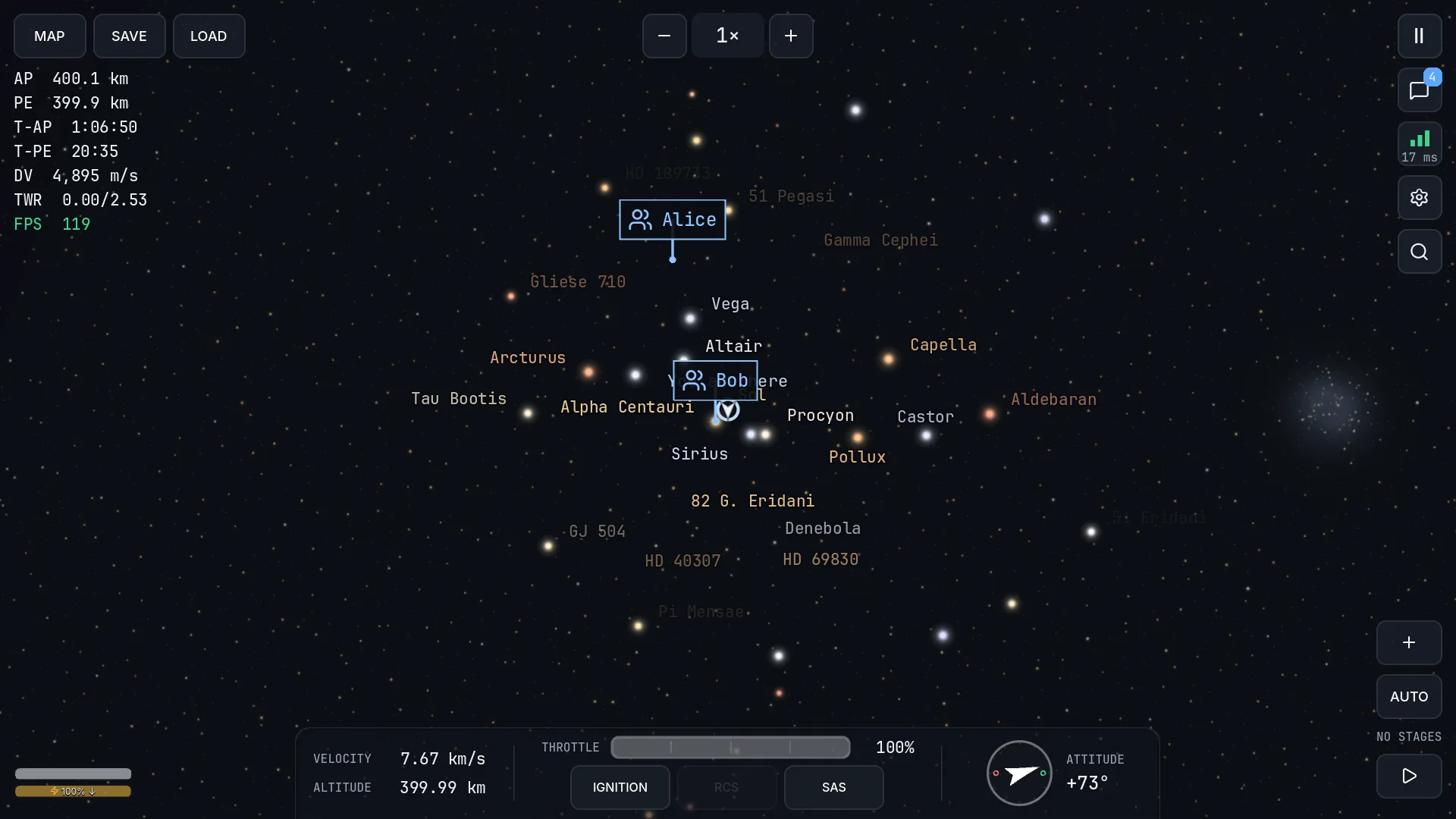
The stars near the Sun are the real ones, with their measured distances, colors and confirmed planets. Past them the Milky Way continues with procedurally generated star systems that are the same for every player. Pick a star, plan the burn, warp the years away, and arrive.
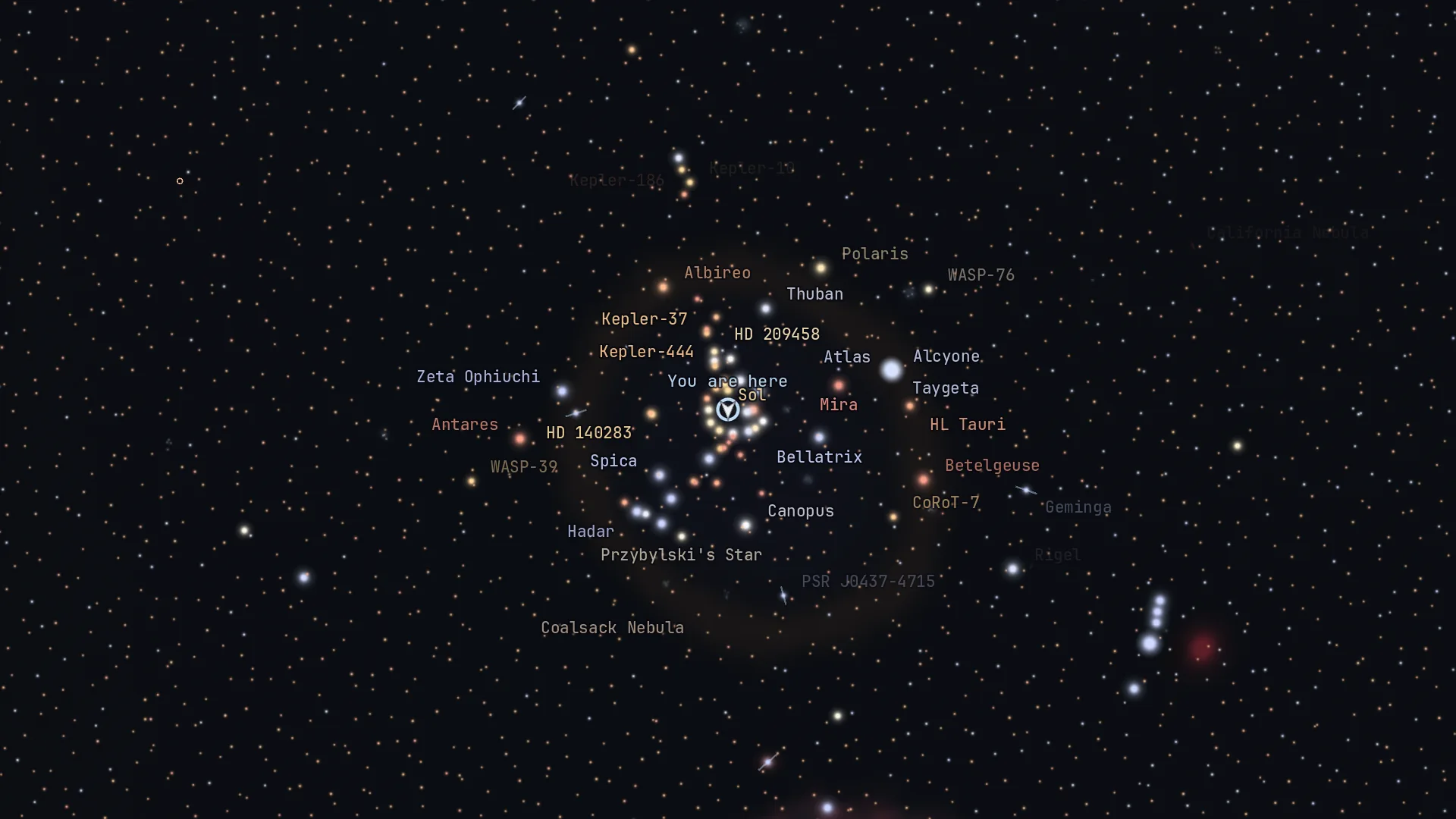
Alpha Centauri, TRAPPIST-1, Sirius, Vega, Betelgeuse and more than 200 hand-charted systems, including real binaries and confirmed exoplanets.
Every other star gets a full procedurally generated system: lava worlds, ocean planets, ringed giants, moons with air and forests. Same seed, same worlds, for everyone.
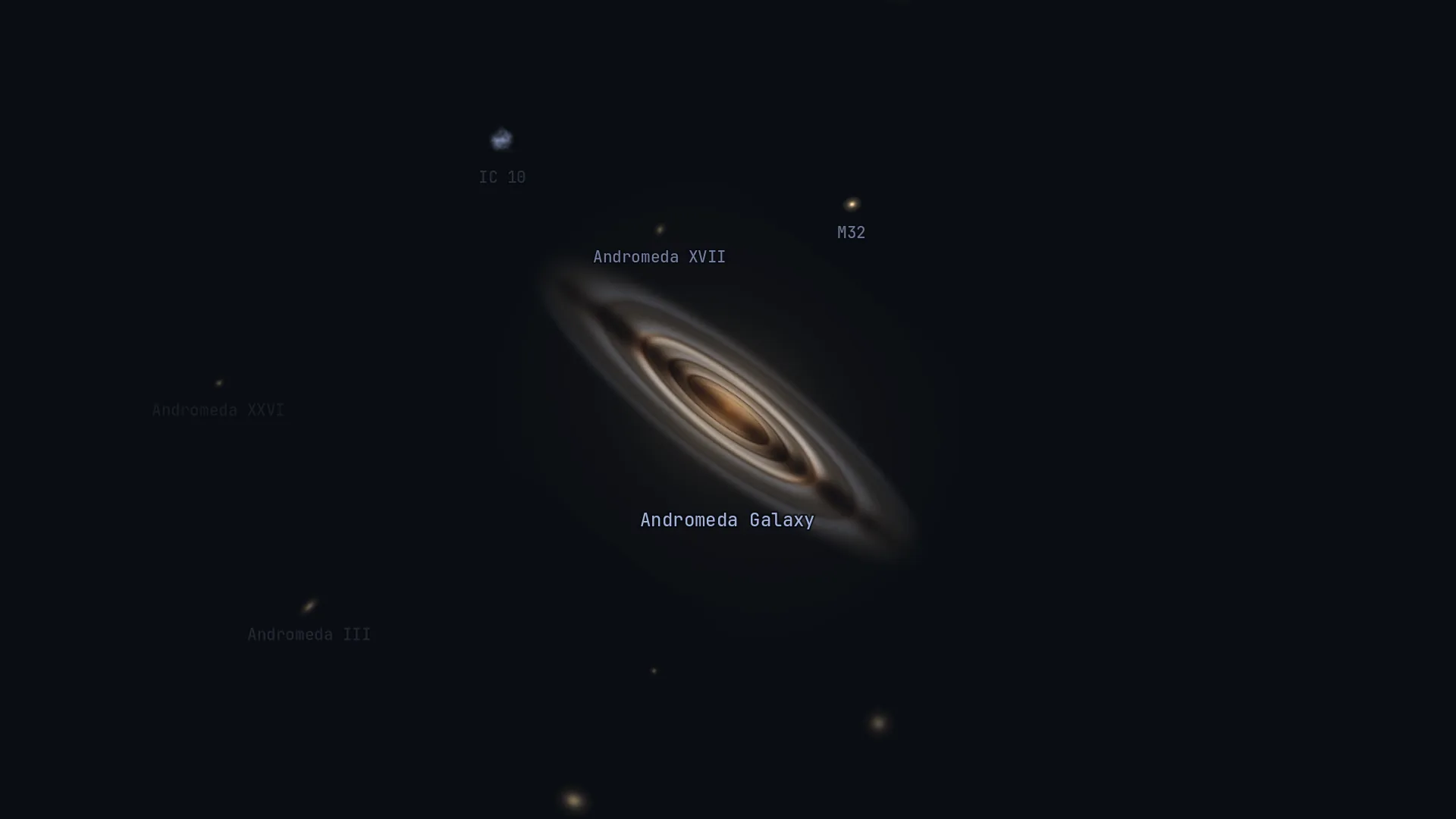
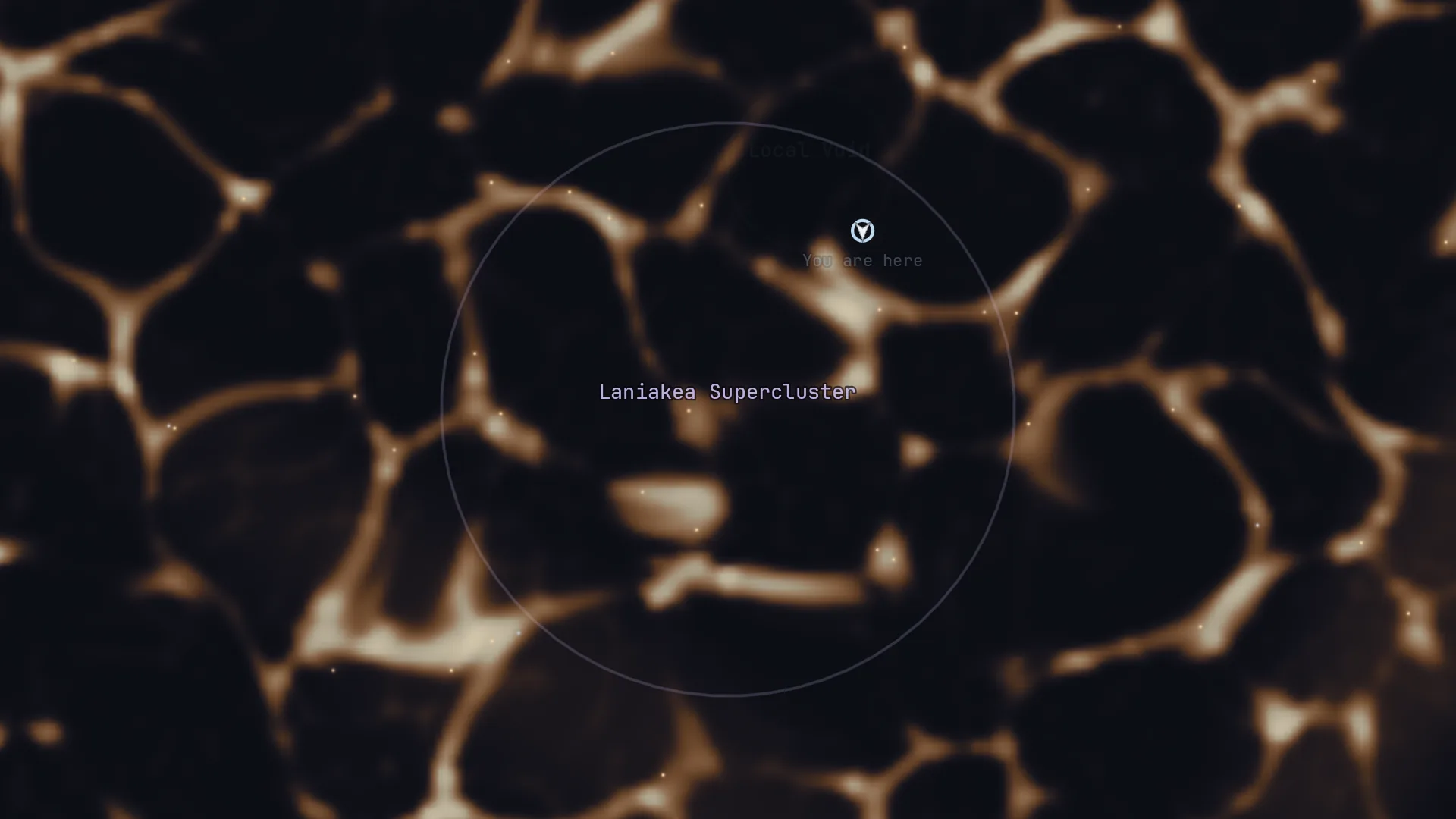
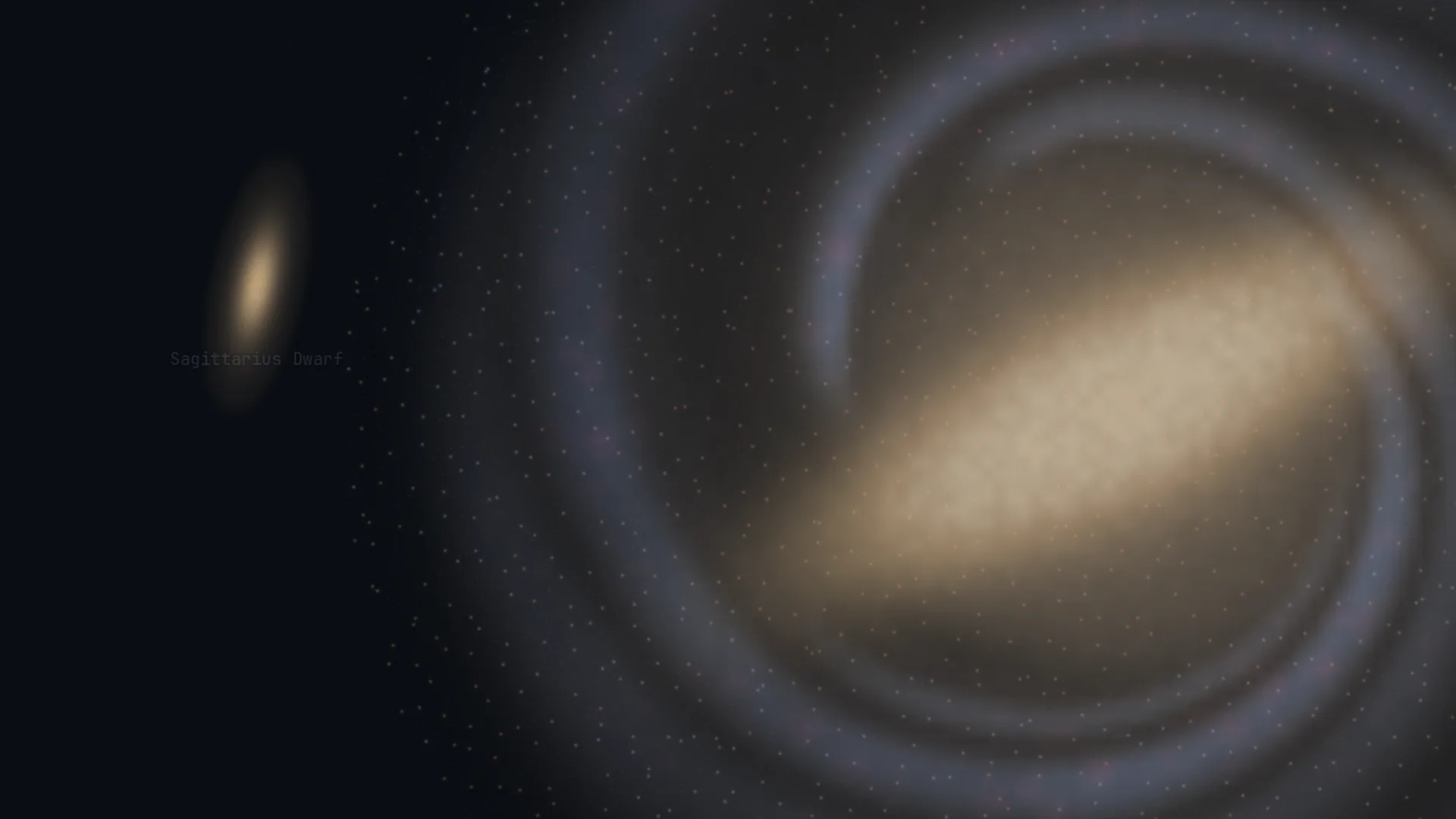
Visit black holes, pulsars and supergiants. Zoom out past 916 real galaxies to the cosmic web, and fly to stars in Andromeda.
Found with the star finder
Ask the galaxy for a habitable planet, a moon thick enough to hold air, a ringed giant or a pulsar with planets. The star finder searches outward from wherever you are and lists the nearest matches.
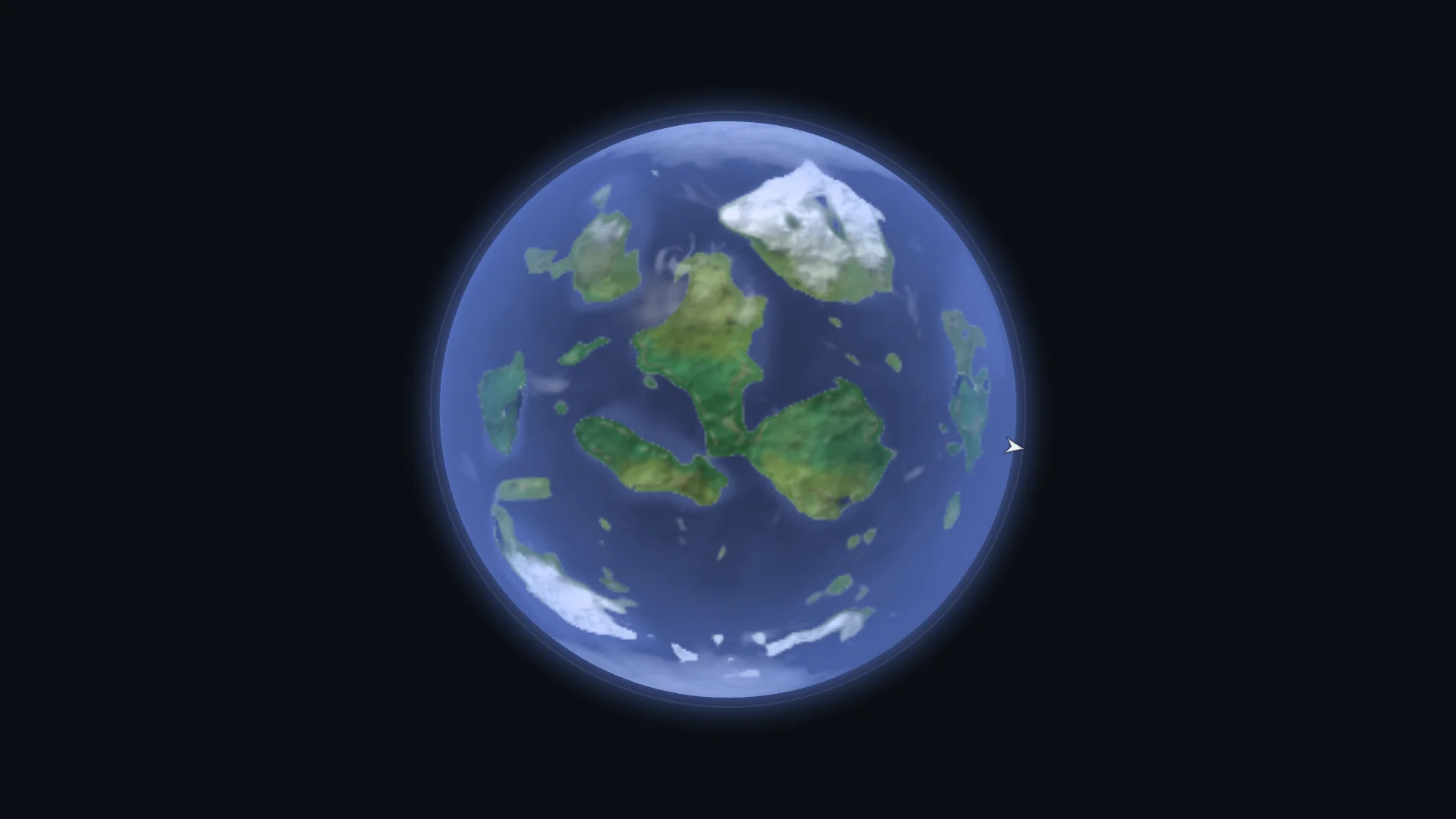
Open sea, island chains and heavy cloud around a yellow-white star.
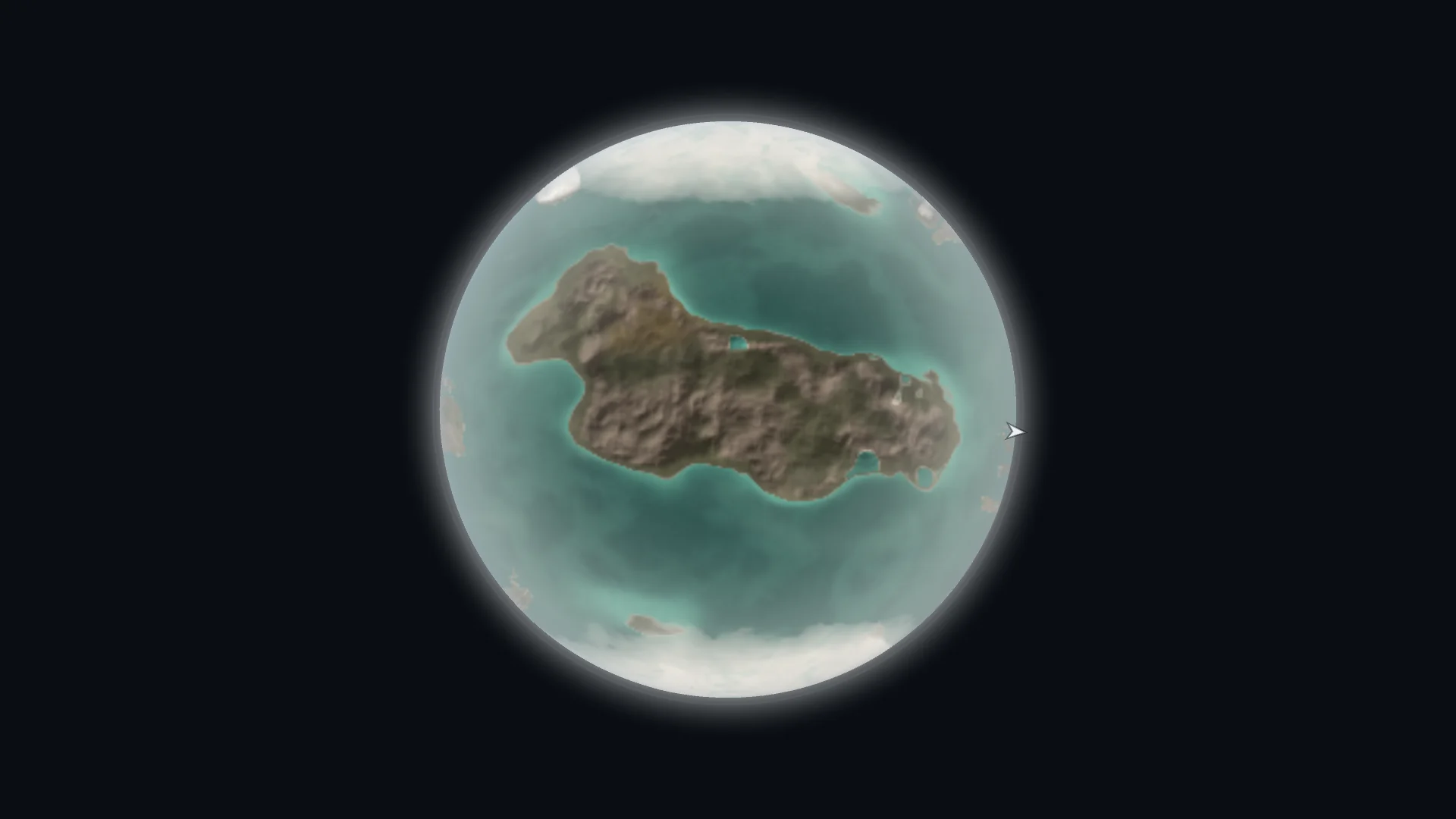
One continent in a shallow sea, 45 light-years from home.
A moon with air, seas and forests, circling a planet of a red dwarf.
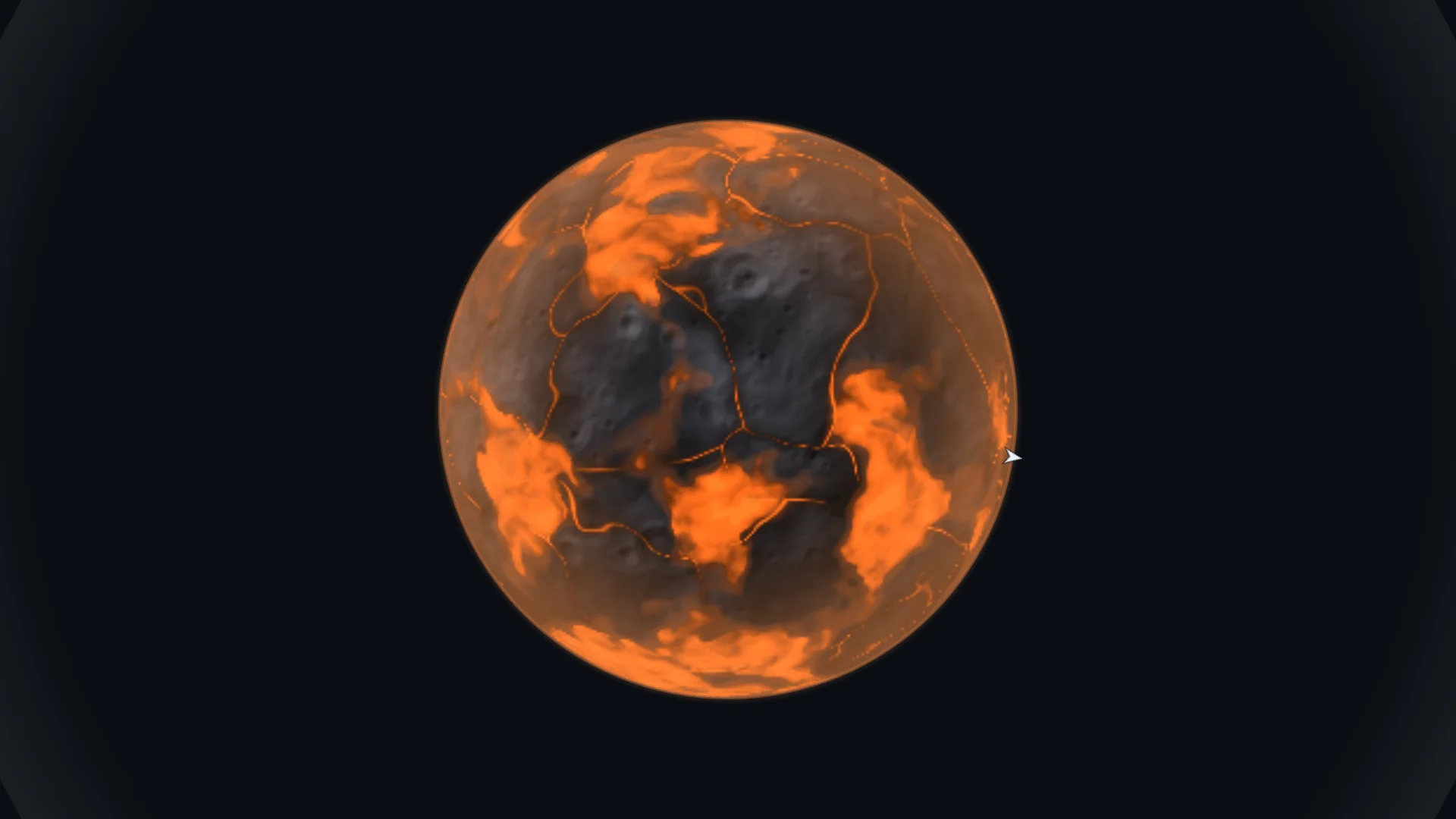
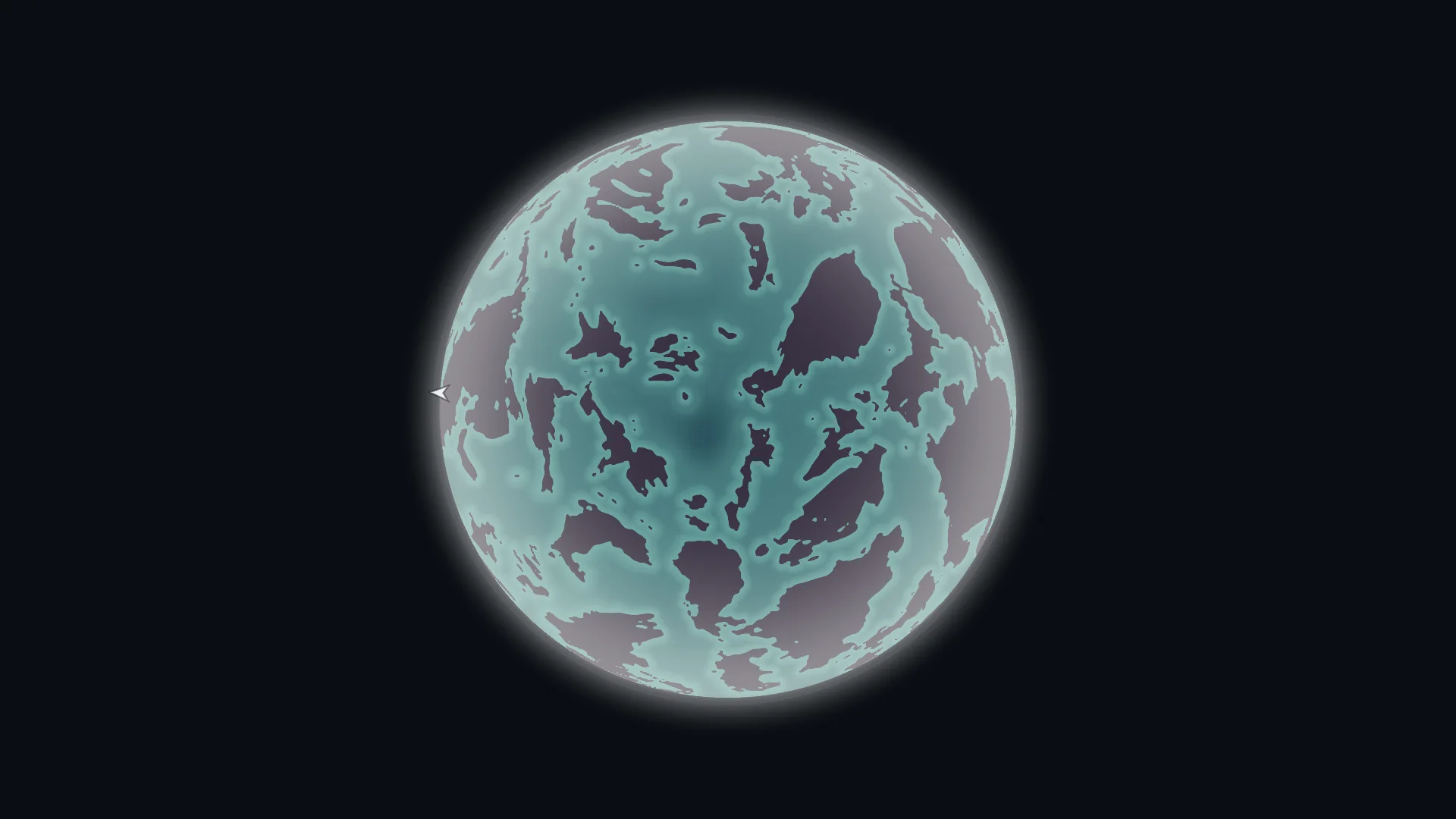
A real exoplanet, rendered as the lava world it is thought to be.
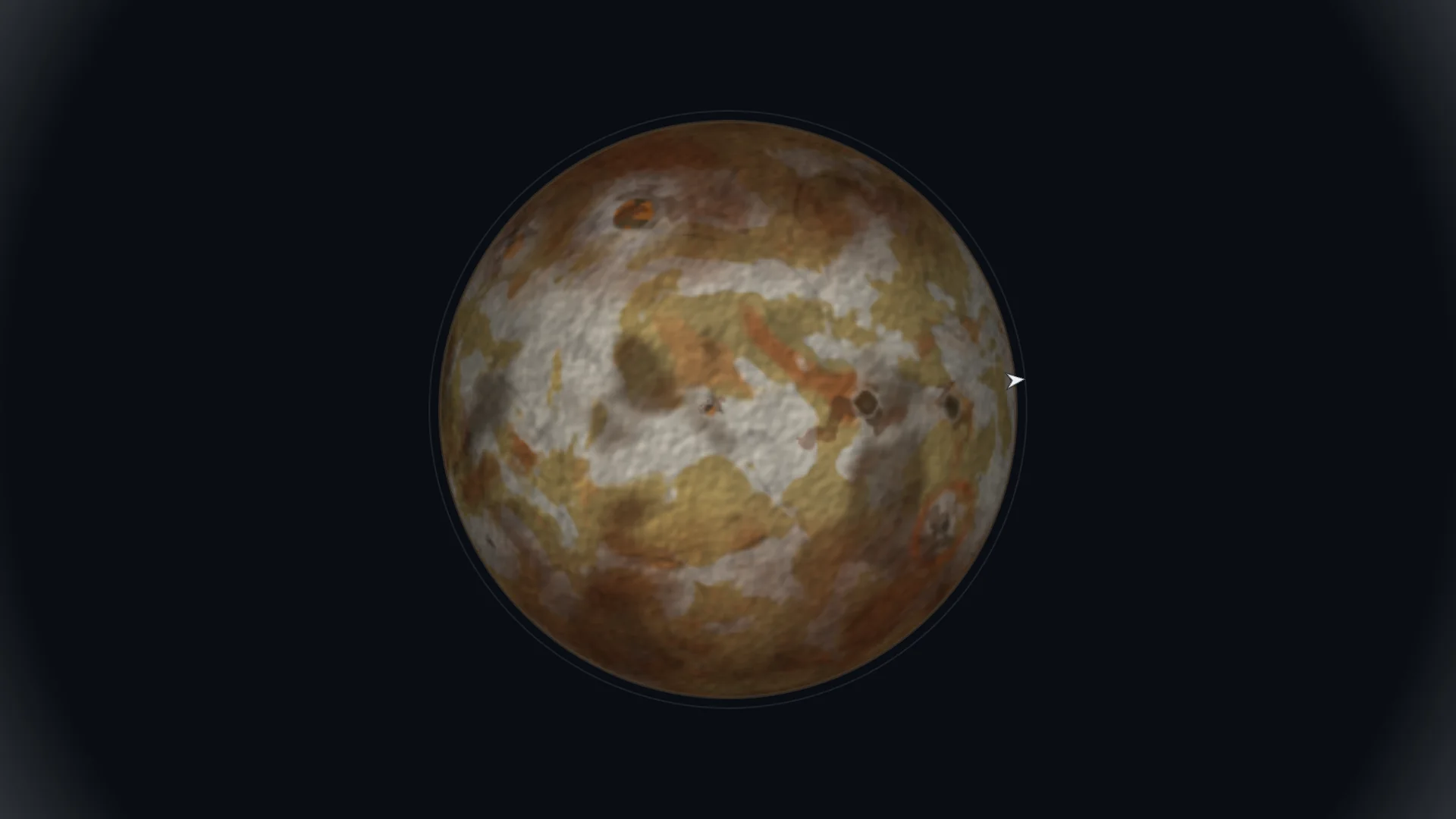
Sulfur plains and active vents, heated by its planet's tides.
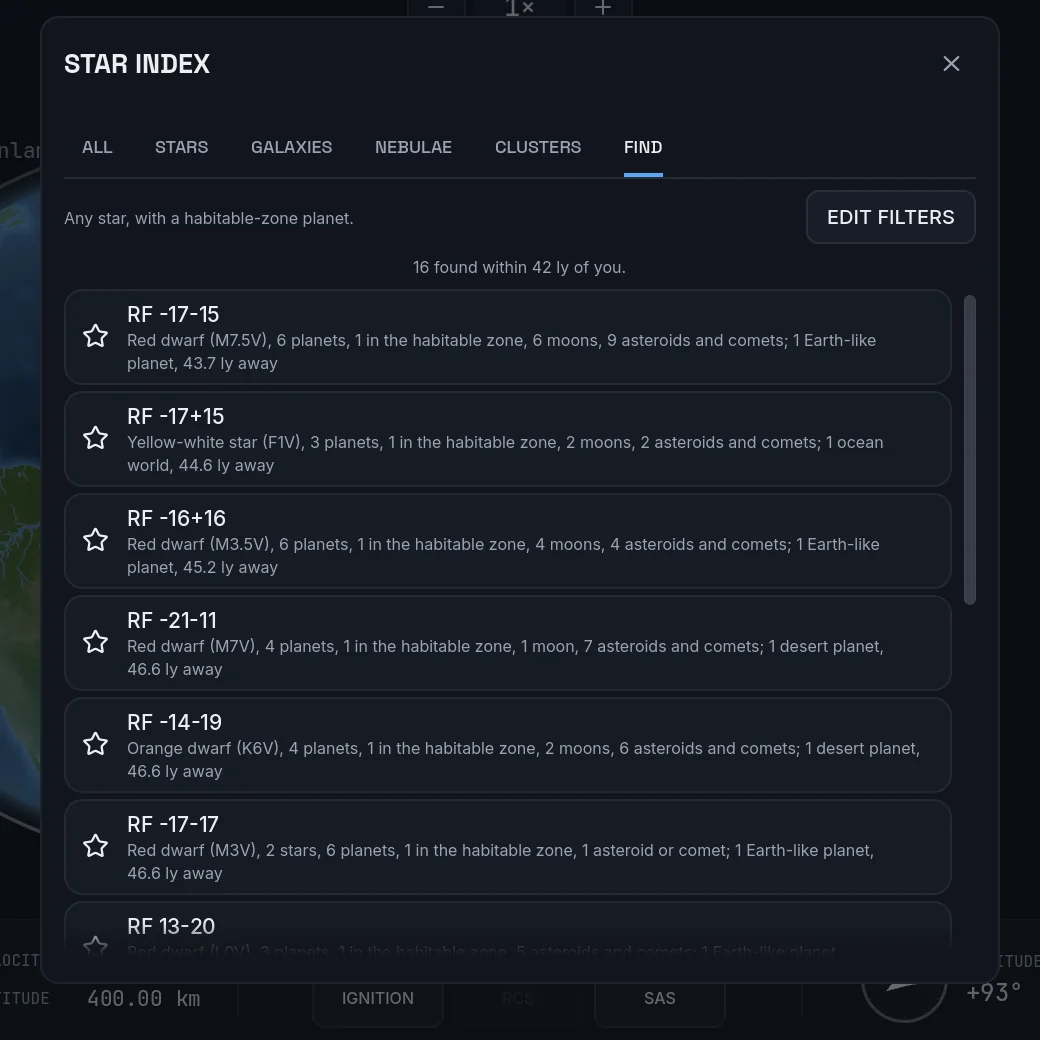
Filter by star type, number of stars, planet kind, size, gravity, liquid surface, rings, habitable zone and moons. Or tap a ready-made search and see what turns up.
How the star finder works →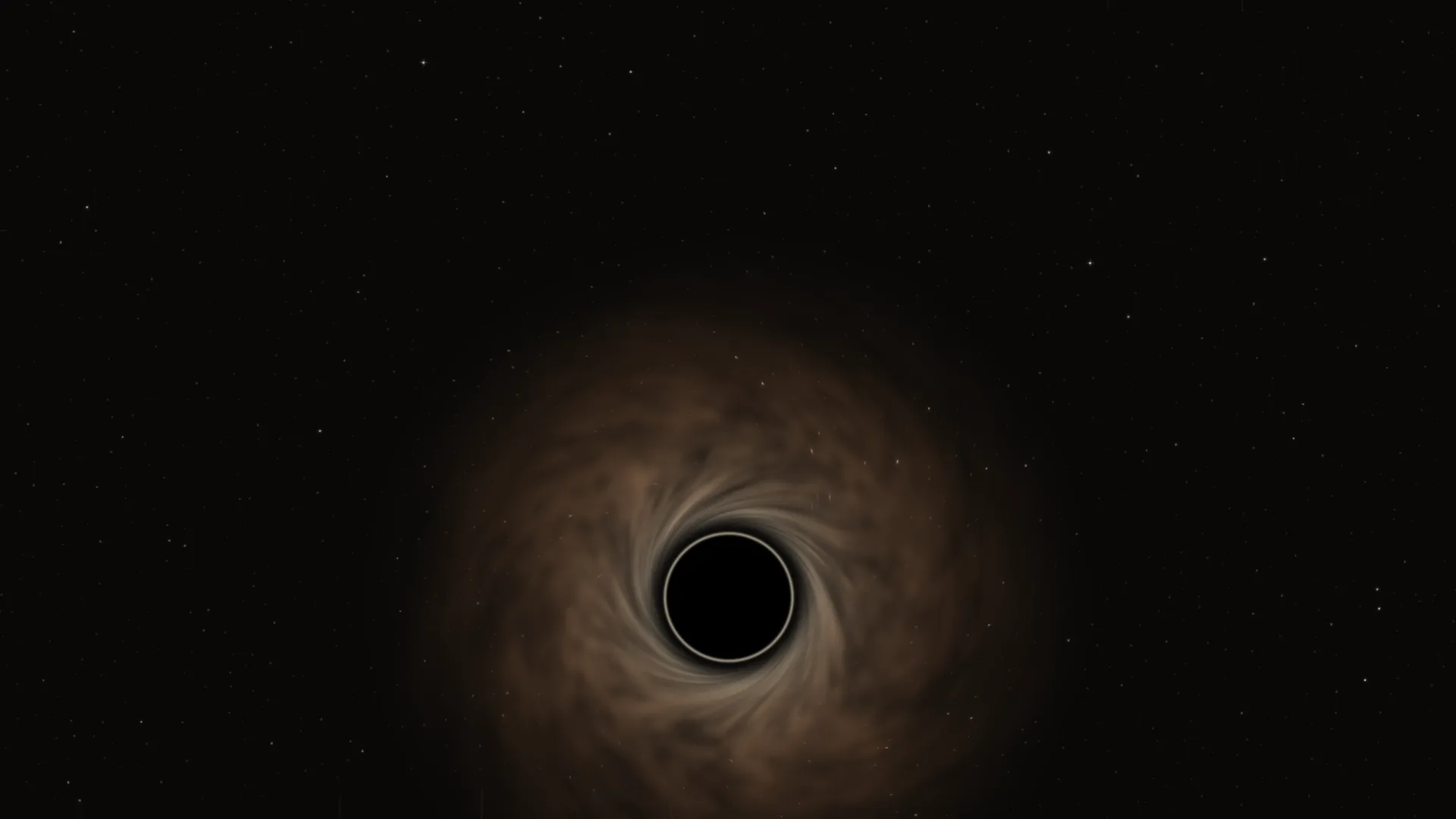
02 / The long way round
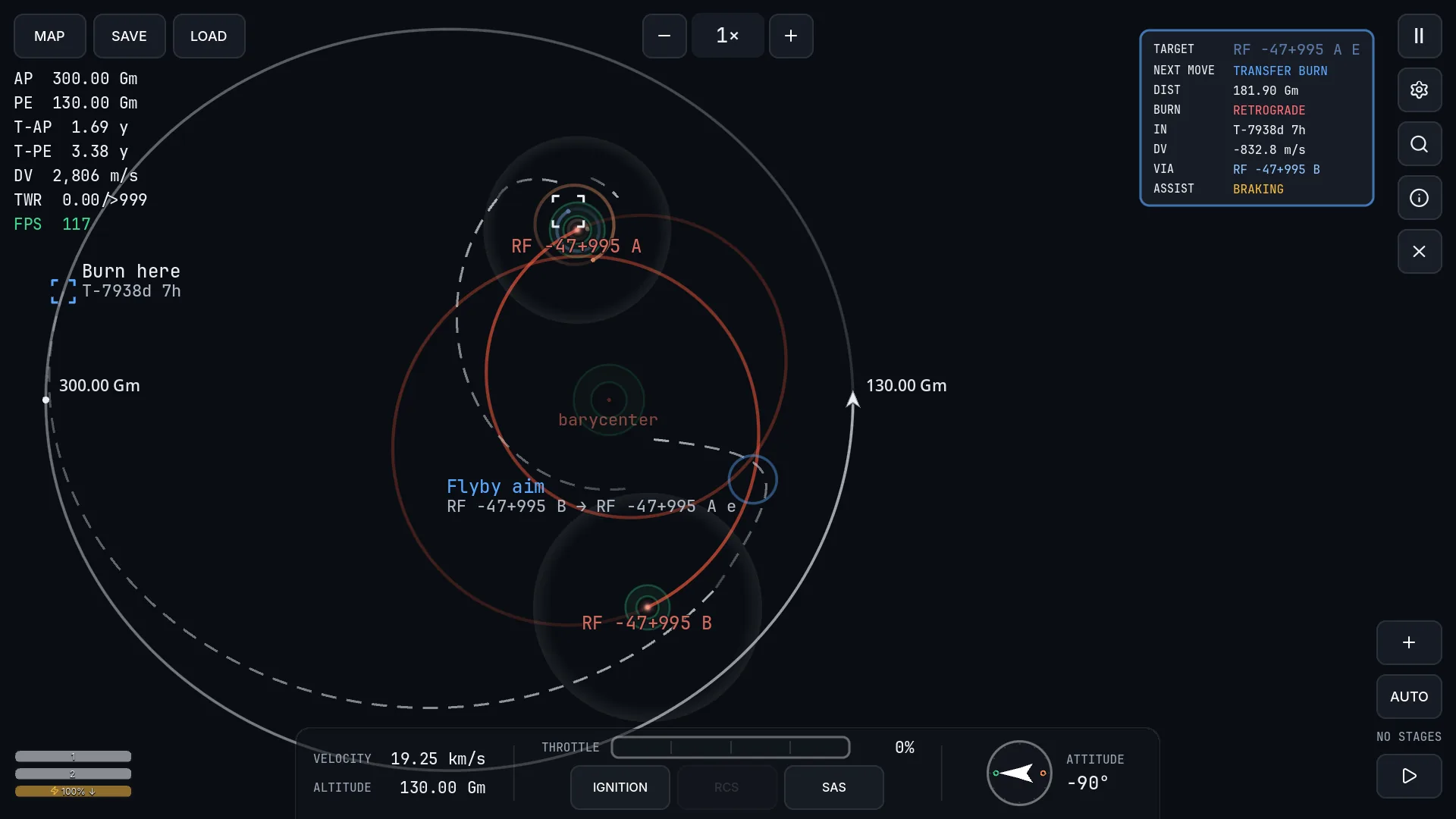
Trips between the stars use the engines you built, and time warp runs up to 100 trillion times so a voyage of centuries takes minutes. Push a craft toward light speed and the clocks split: the crew ages less than the universe they left behind.
Orbit a black hole on the way, or slingshot past a binary star to save fuel.
Getting there →03 / Multiplayer space game
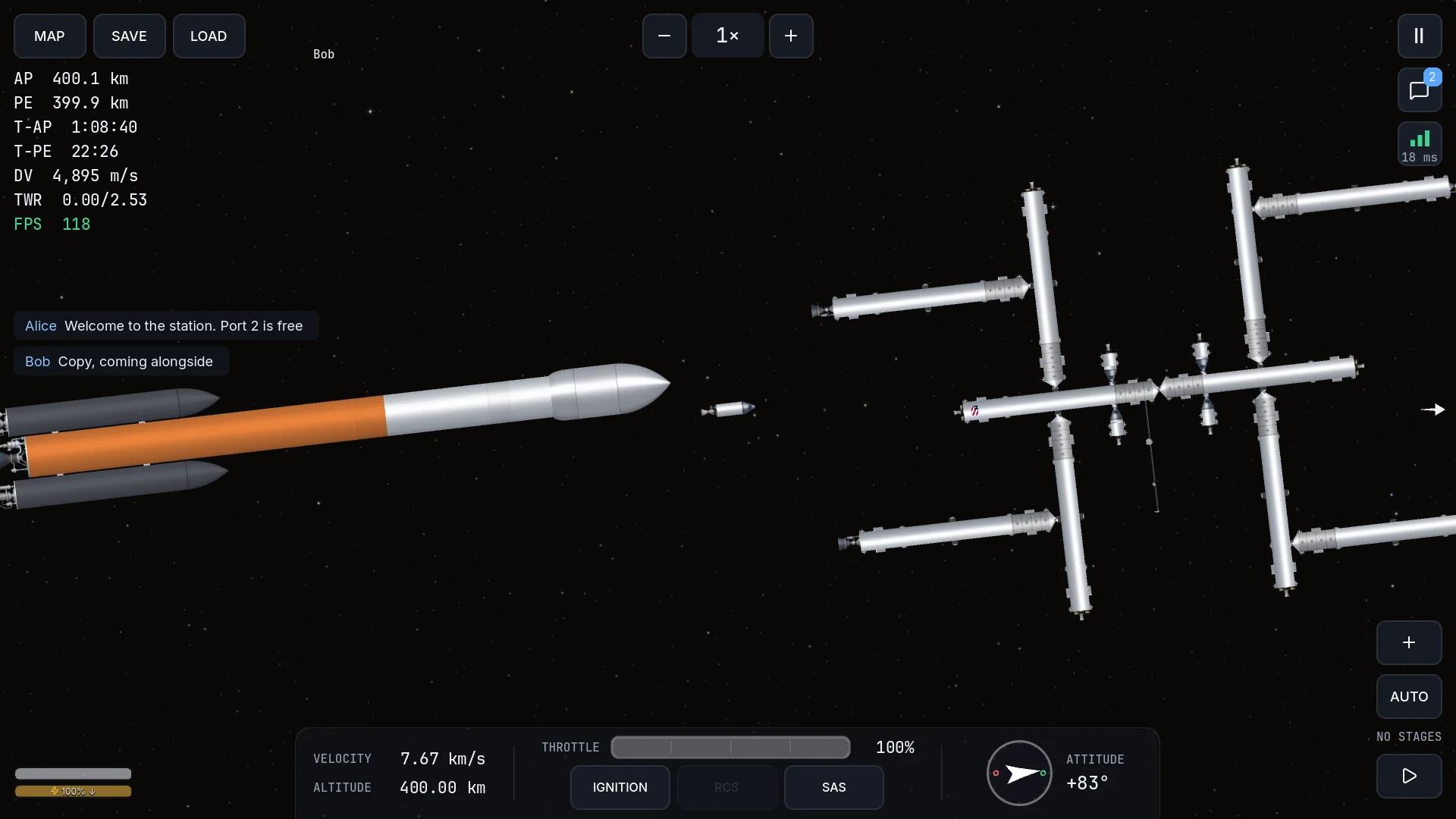
A multiplayer world runs on one server with the same physics as single player, so what you see is what your friends see: the station they docked to is exactly where it is on your screen. On a dedicated server the world keeps turning while you are away.
Time warp on your own whenever you like. Your craft flies ahead of the shared clock, then one tap on SYNC brings you back. Nobody holds anyone else up.
Dock with a friend's station, ride along as a passenger, chat from the builder and spectate anyone's flight. Hosts can let players go to each other and summon them.
One player at Proxima, another at TRAPPIST-1. The galaxy map shows where everyone is, and spectating works between stars.
Host from the game and share a room code, or run the free dedicated server on Linux and leave the world running for days.
04 / Rocket building
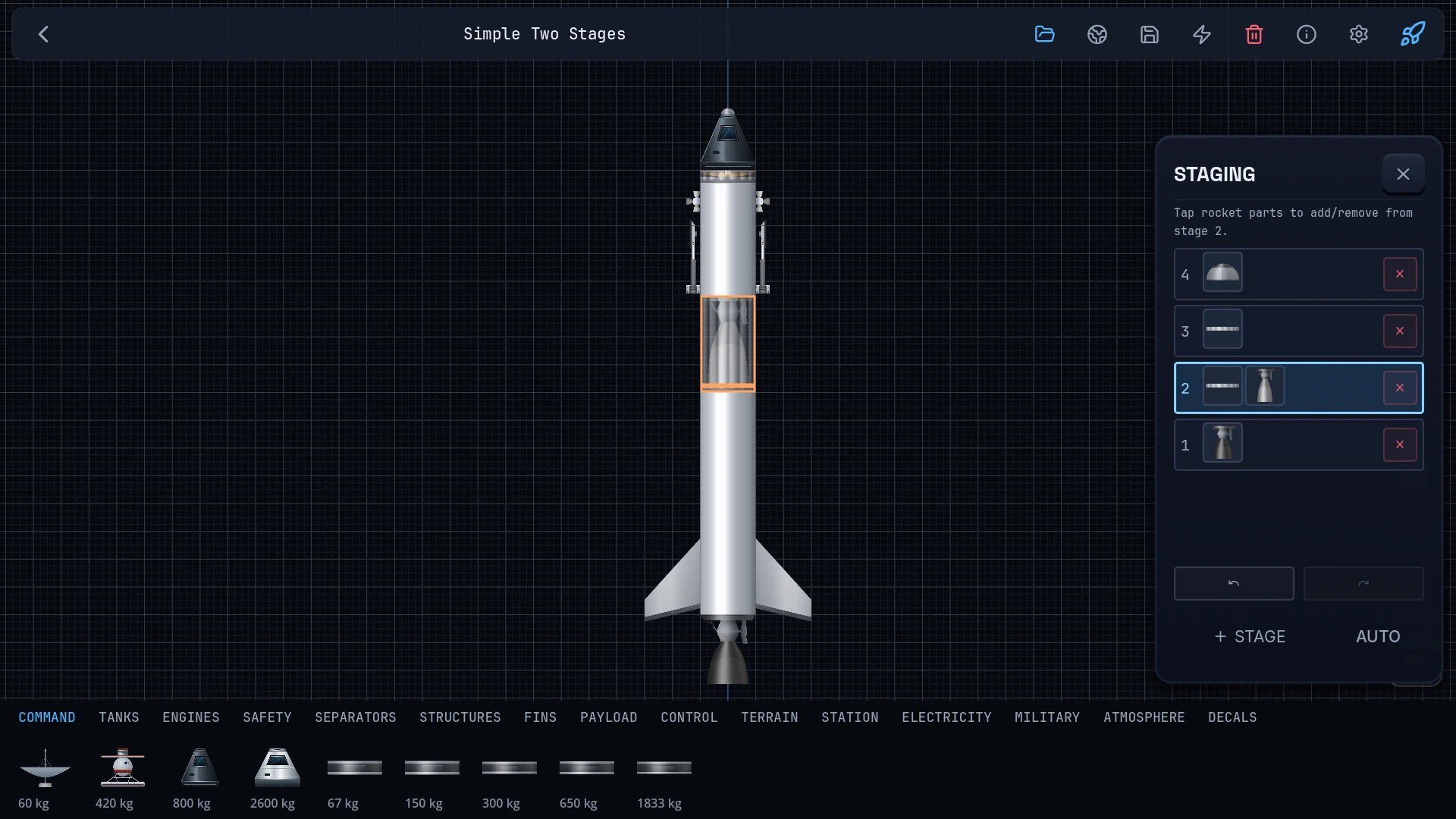
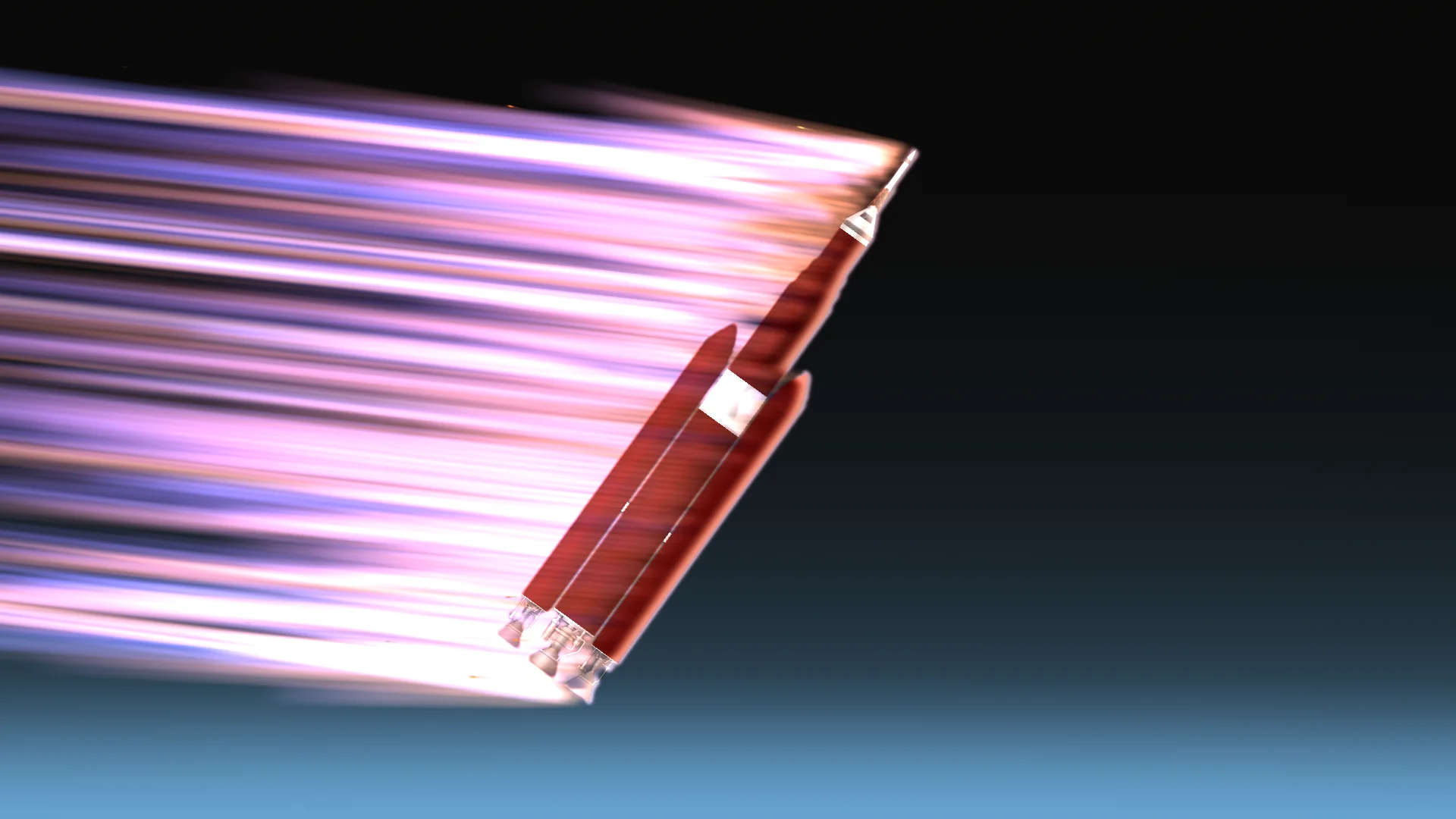
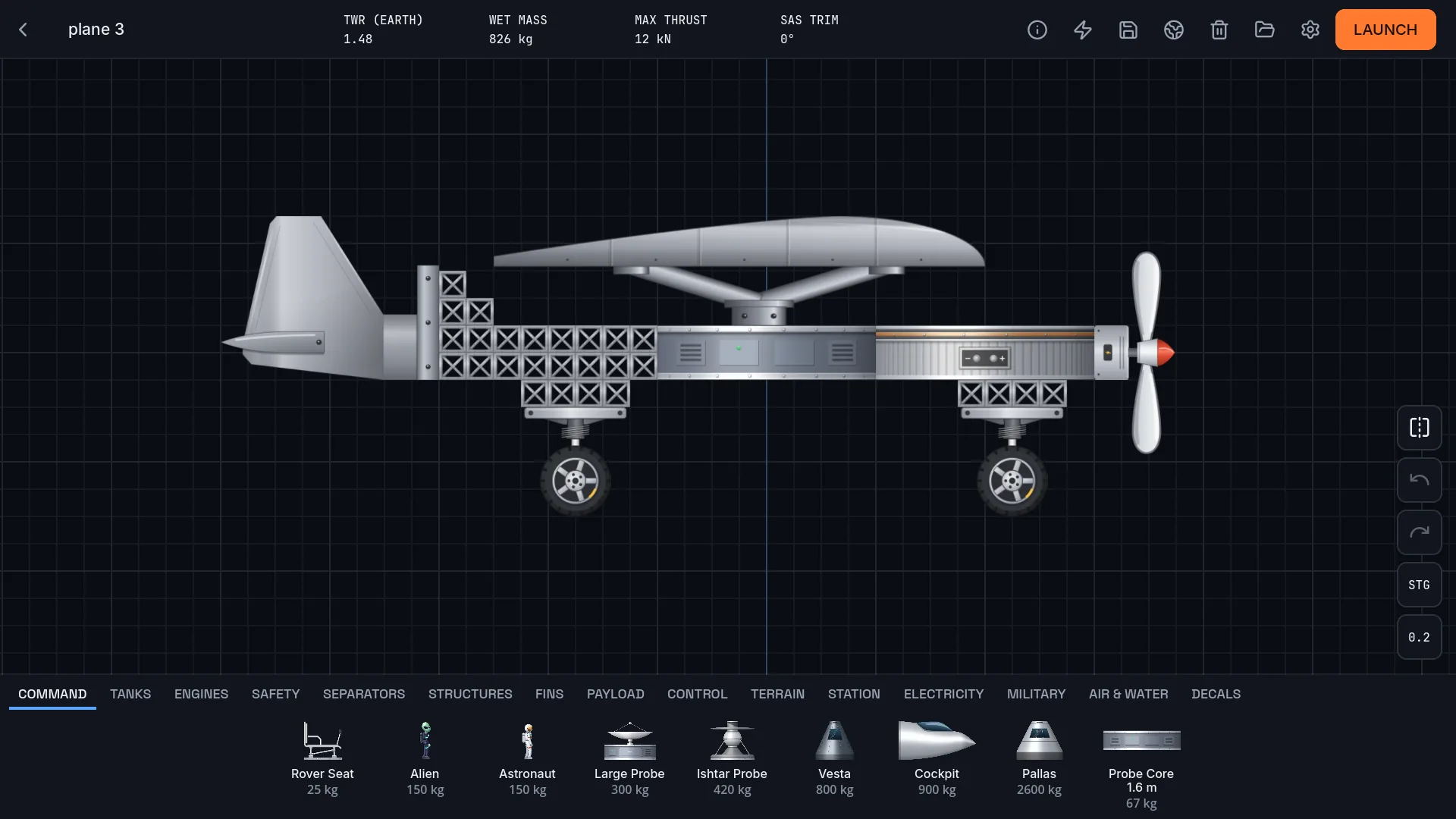
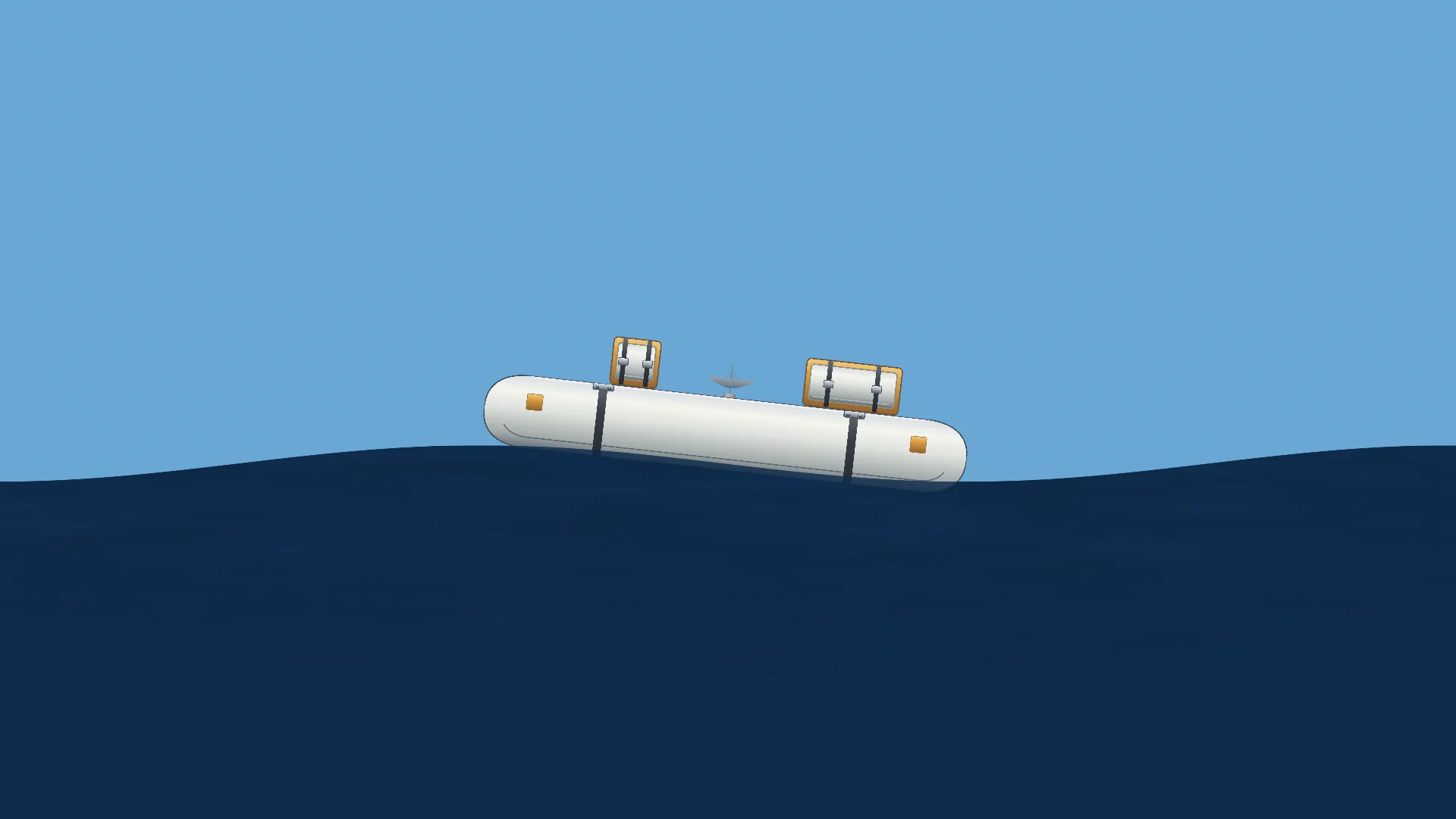
Snap parts onto a grid, resize them, plan the stages and paint the result. The same parts make rockets, planes, rovers, walkers, stations and machines nobody has a name for yet. It is 2D on purpose: you can build a 400-part ship on a phone and still fly it through a full-size solar system.
Built by players
The Community Hangar is full of player designs, from tiny probes to walking mechs. Download one in the game, take it apart, and publish your own.
05 / A physics engine of our own
Rocket Foundry does not borrow a game engine's physics. Its simulation was written from scratch for spaceflight, in 64-bit precision, so a station stays exactly where its orbit says it should be after a year of time warp.
Take the engineering tour →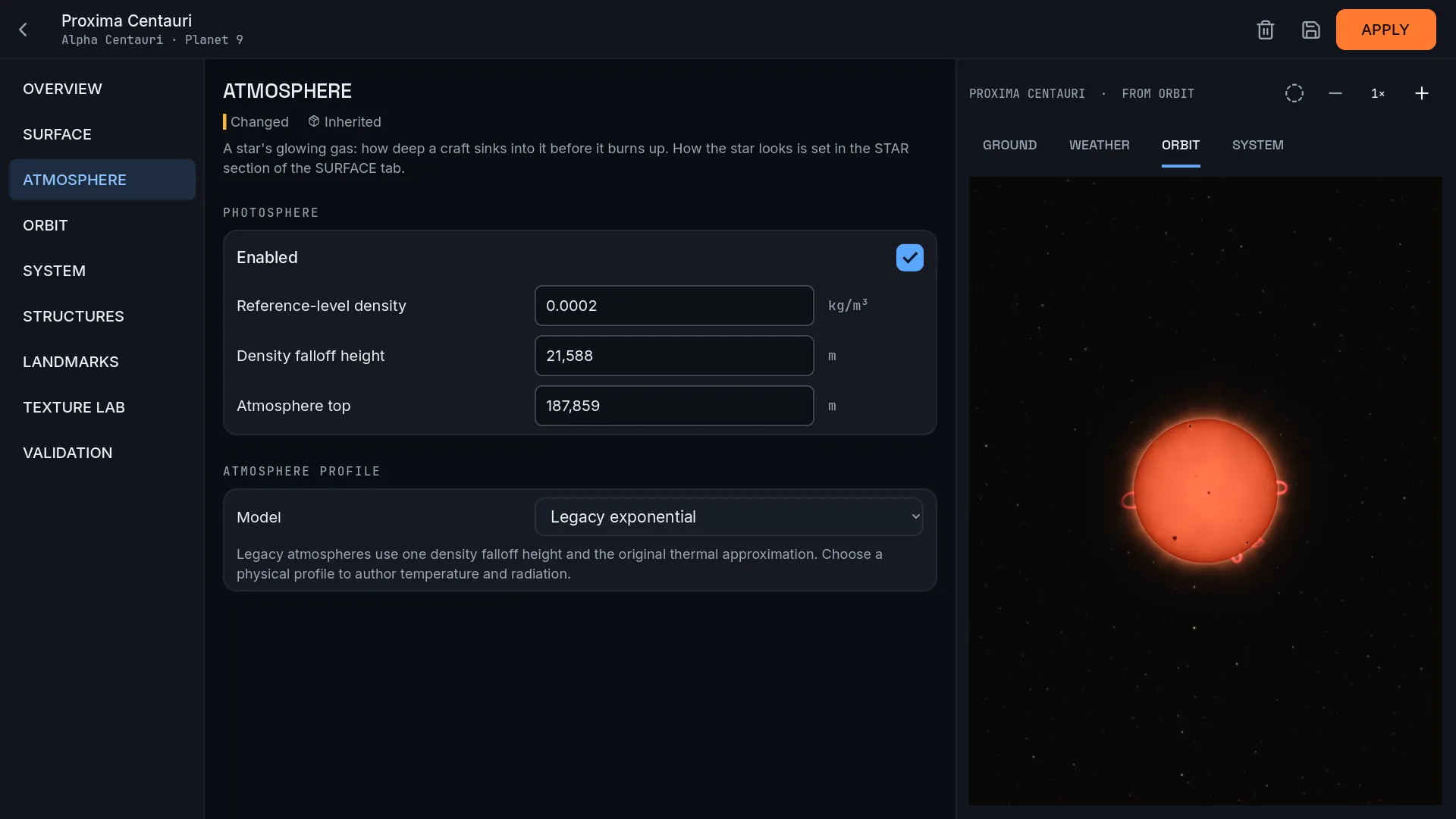
06 / Modding without code
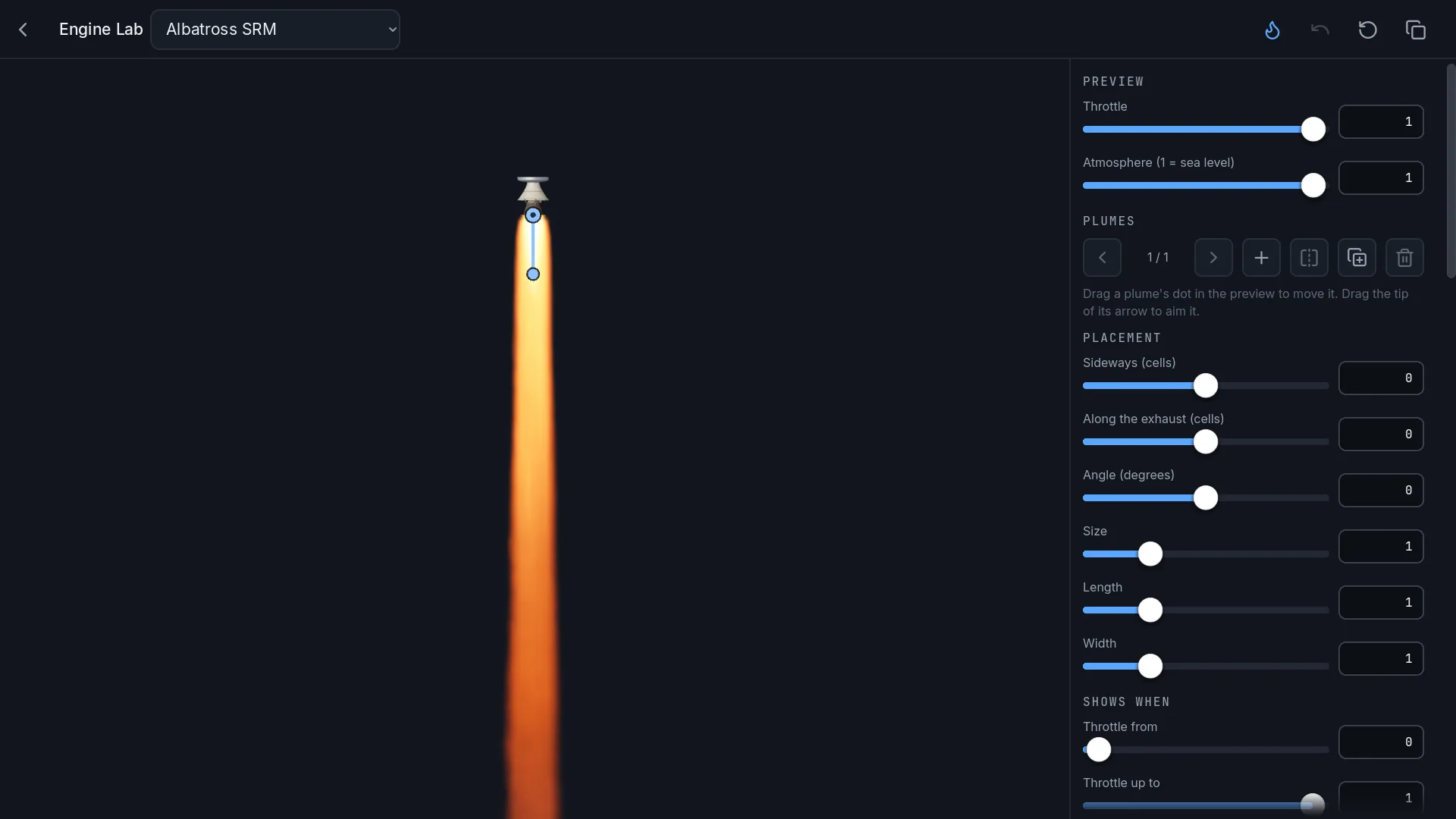
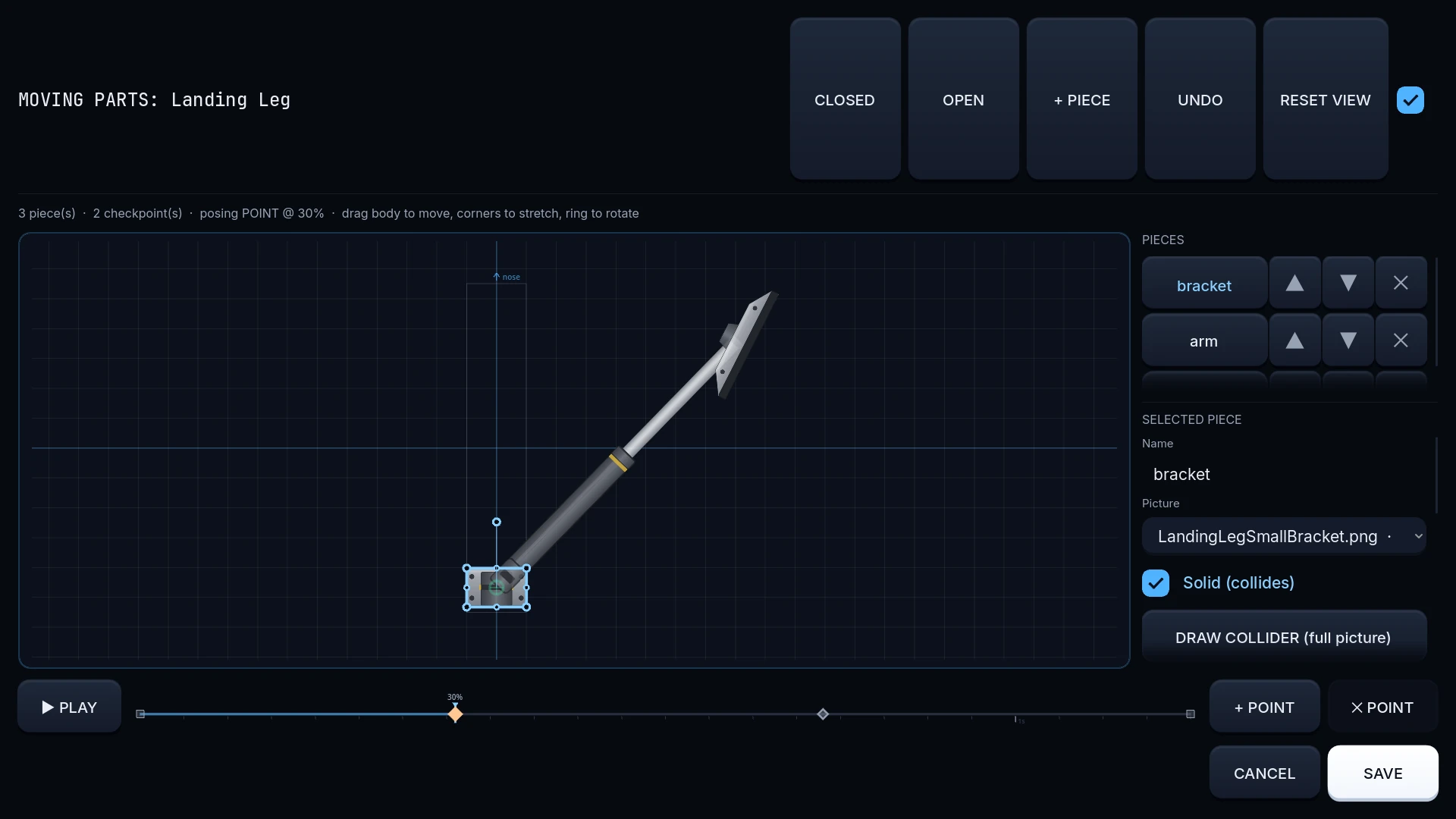
Body Studio reshapes any planet, moon or star with a live preview. The part editor, moving-parts editor and Engine Lab let you author new hardware, with no code.
Package it as a mod, send a whole world to a friend as one file, or publish your best craft to the Community Hangar.
07 / And then some
Six chapters of missions, from Flight Academy to Venus, a return trip from Mars and work between the moons of Jupiter. Earn your parts as you go.
Teach a craft to fly itself with visual program blocks: ascents, powered landings, rendezvous and full voyages.
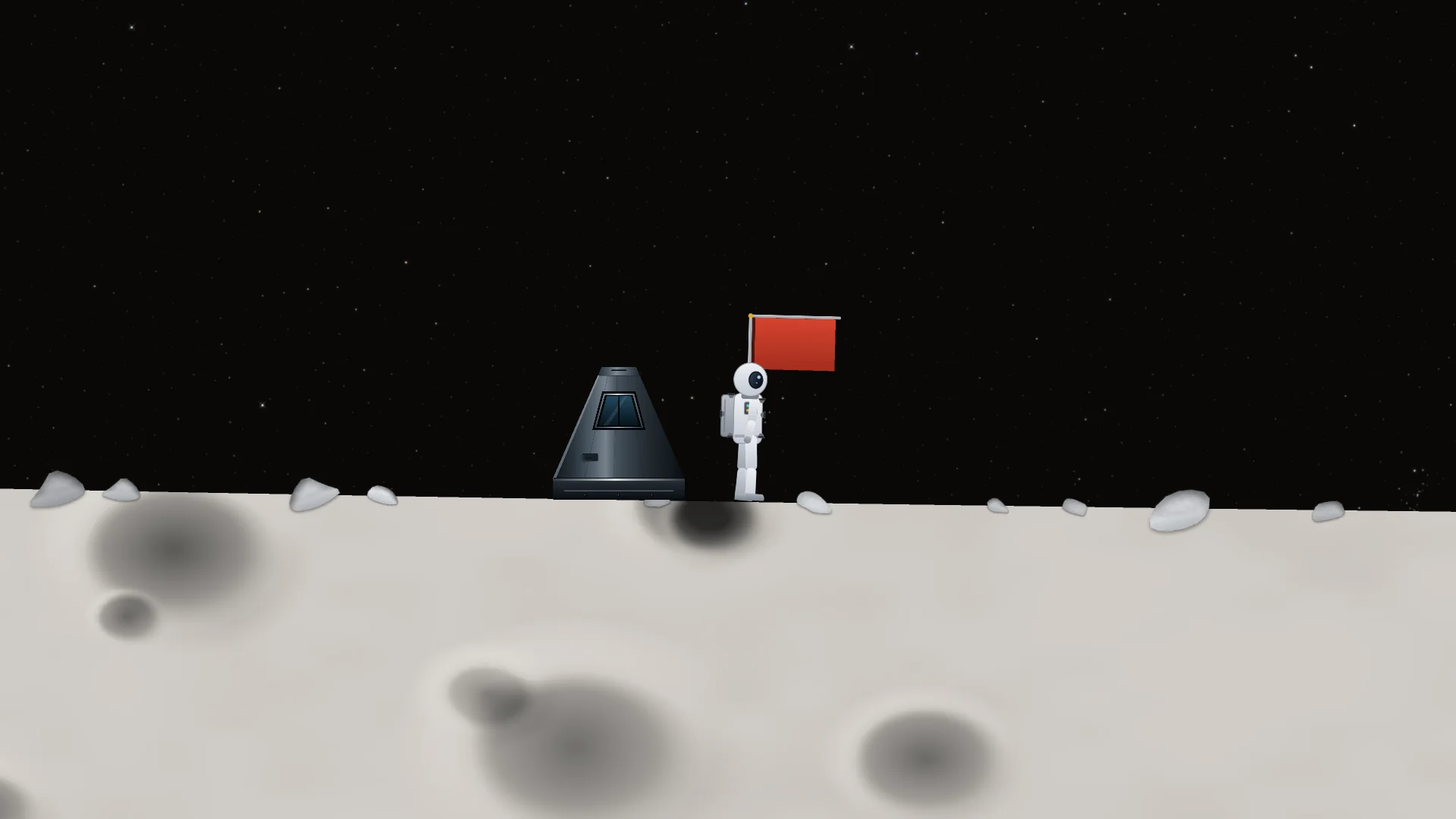
Climb out on EVA, plant flags, collect rocks, fly a jetpack and climb back in through the hatch.
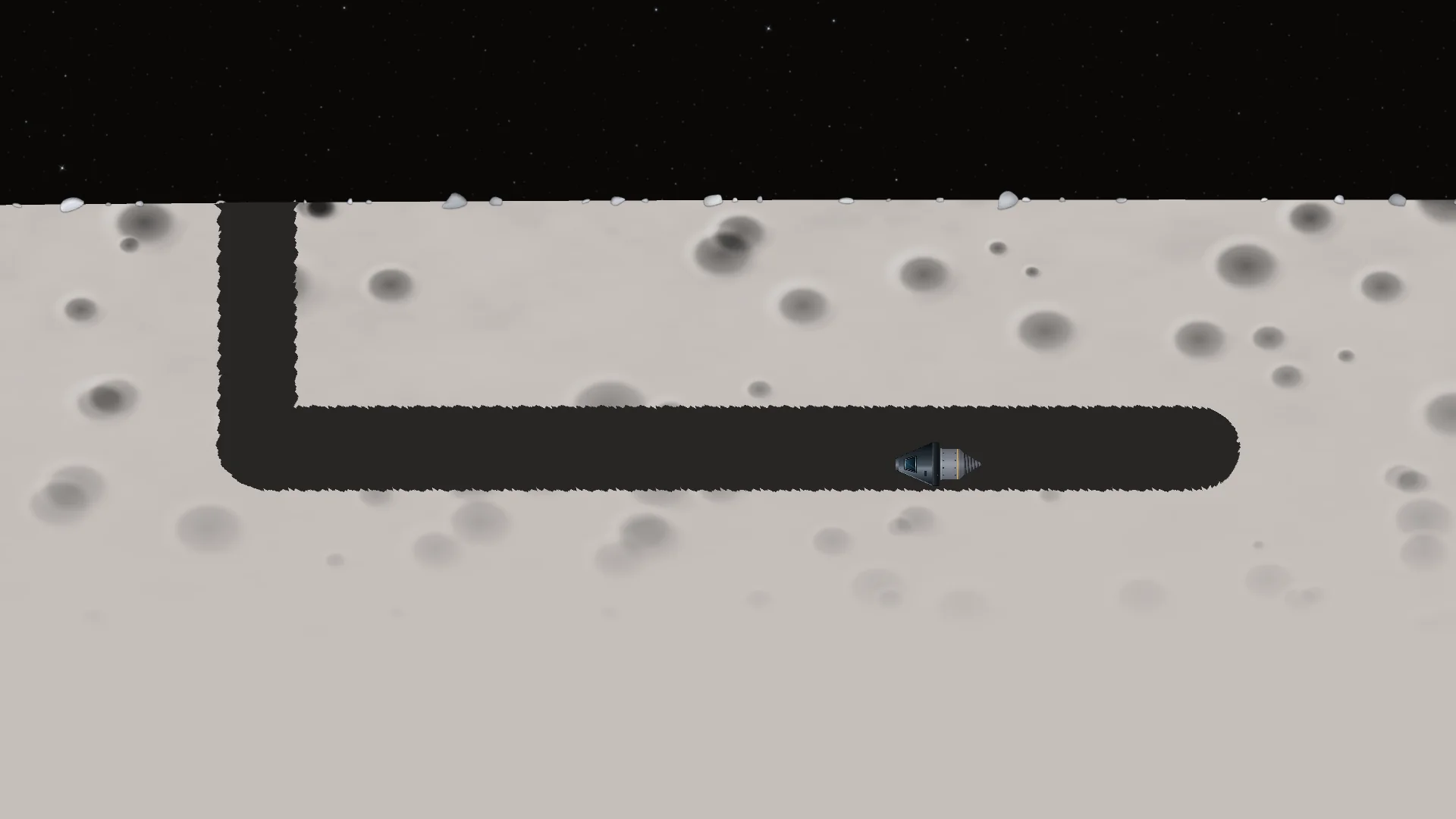
Point a powered drill at the ground and cut shafts, trenches and roofed tunnels through solid rock.
Switch on N-body gravity, make a planet heavier, and watch every orbit in the system respond.
Fly the solar system at its real size, or choose a 1:10 or 1:20 world with the same rockets and gravity.
Yes. The beta is free on Windows, Linux, Android and iOS.
A 2D space sandbox and rocket building game. You design craft from parts, fly them with real orbital physics through a full-size solar system, and travel on to other stars.
Yes. Share a Sandbox world with a room code or run the free dedicated server. Everyone flies their own craft in the same world, including in other star systems.
The stars within 50 light-years are real, and more than 200 systems are charted by hand, about 90 of them with their confirmed planets. Every other star in the Milky Way gets a procedurally generated system that is the same for every player.
Yes, without code. Body Studio edits planets, moons and stars, and the part editor, moving-parts editor and Engine Lab create new hardware. Mods and whole worlds can be shared as files.
Free beta · Windows · Linux · Android · iOS
Download the beta, find a world nobody has visited yet, and invite a friend to fly it with you.