
The universe / Interstellar travel
A galaxy you can
actually fly across.
The real solar system is only the start. Every star on the map is a destination, every destination has worlds, and the map keeps zooming out until whole galaxies are dots.
01 / The real neighborhood
Start with the stars
we know.
The 1,215 star systems within 50 light-years of the Sun come from a real catalog of nearby stars. Each one sits at its measured distance from the Sun, and its color, size, mass and brightness are worked out from real observations. Proxima Centauri is 4.2 light-years away because it really is.
More than 200 systems are charted by hand, from real binary stars to about 90 systems with confirmed exoplanets: Alpha Centauri and Proxima b, the seven planets of TRAPPIST-1, 55 Cancri, Sirius and its white dwarf, Vega, Betelgeuse, Rigel, Antares and the Pleiades.
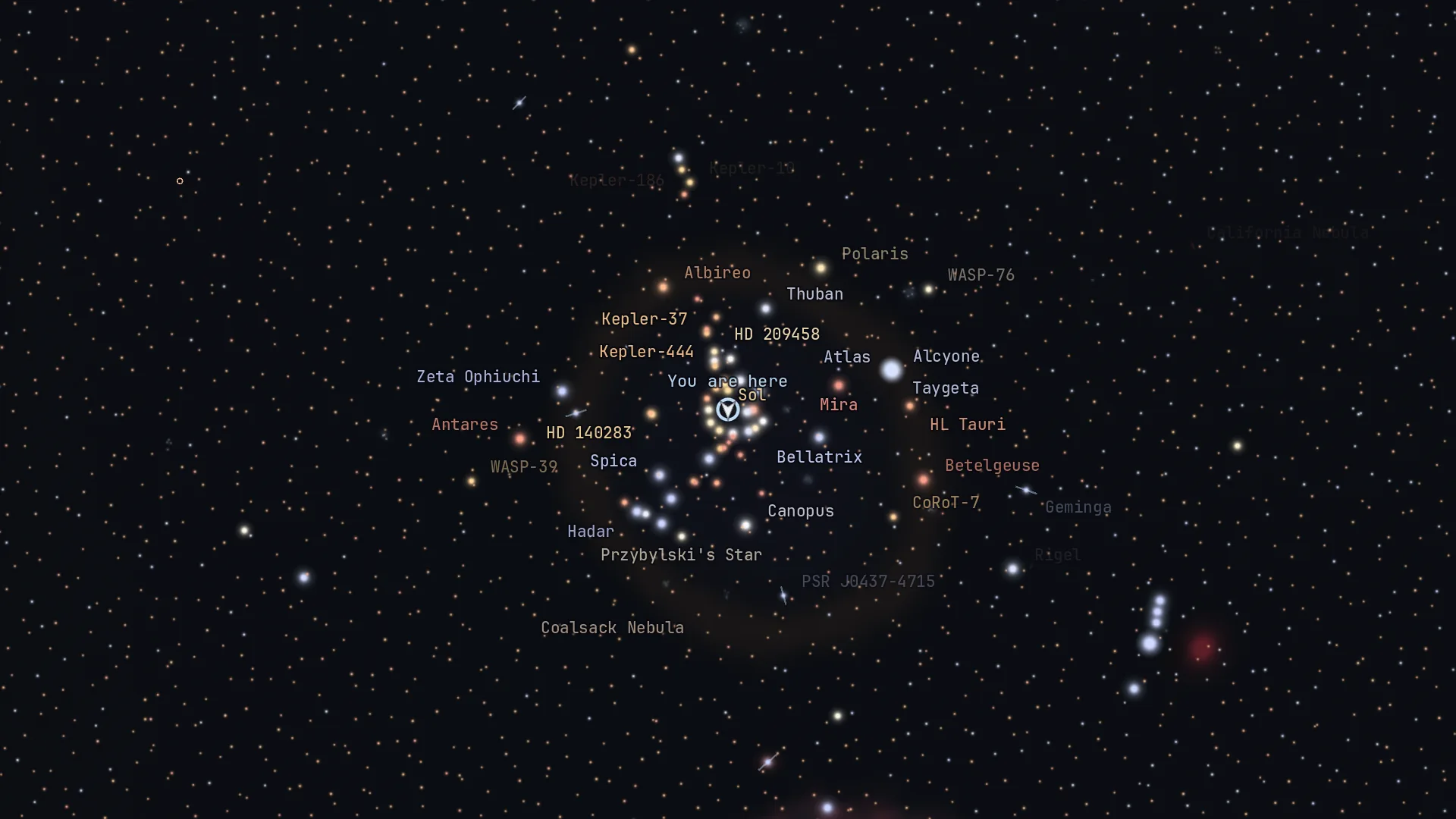
- 1,215real star systems within 50 light-years
- 200+hand-charted systems, from real binaries to confirmed exoplanets
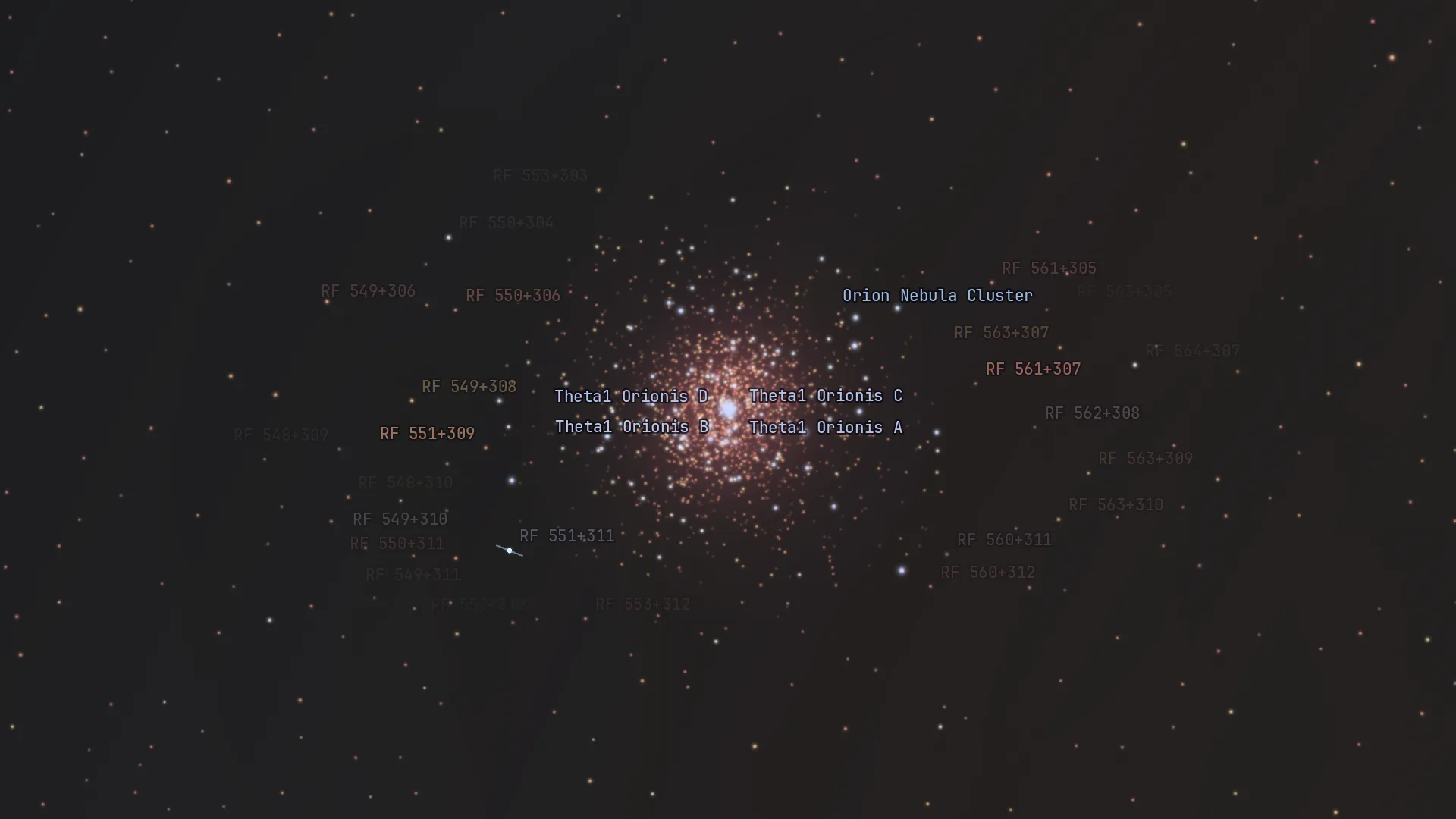
- 224star clusters whose members you can visit
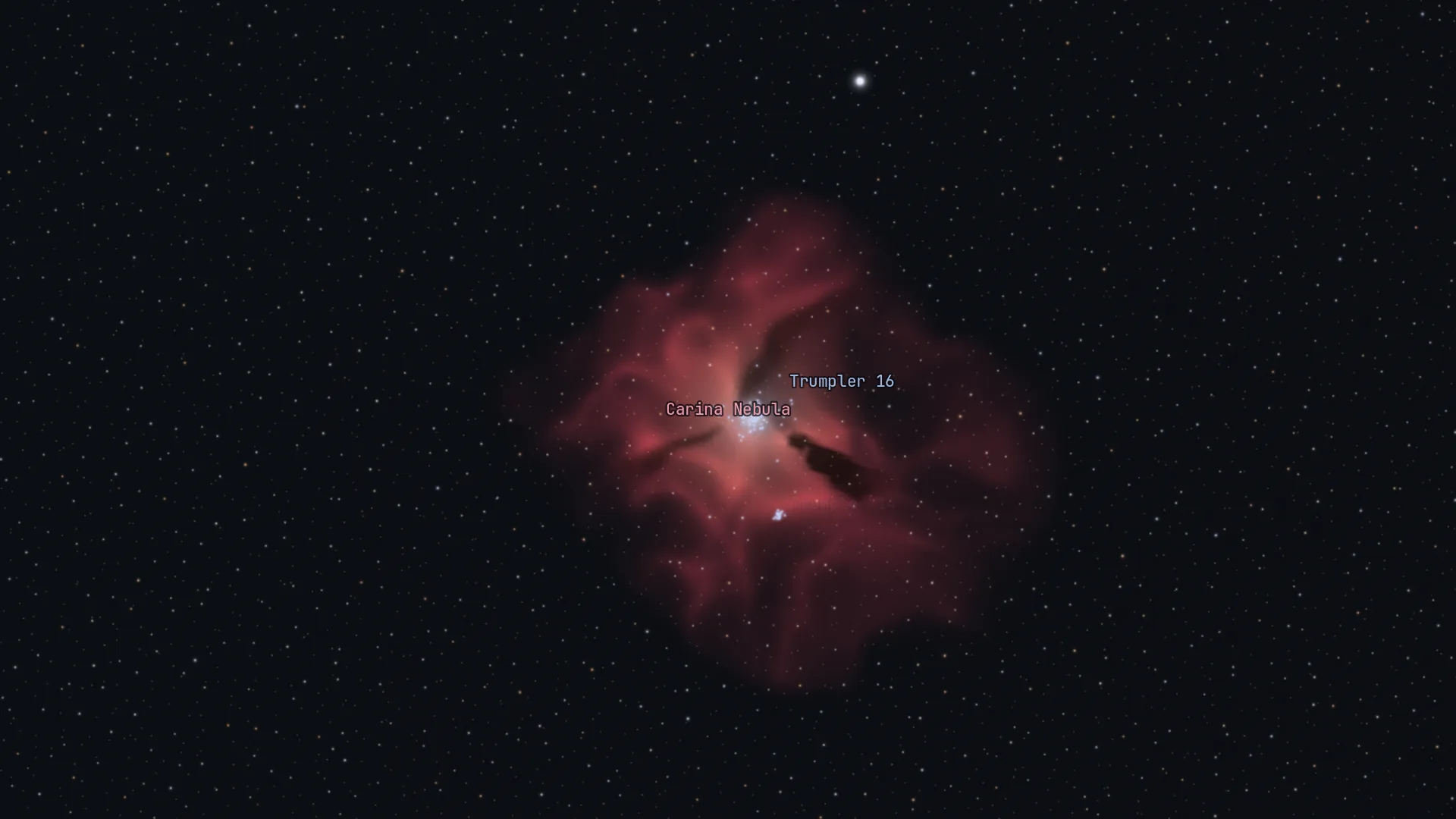
- 58real nebulae on the map
02 / Generated worlds
Every star
brings its own planets.
Past the charted stars, the Milky Way is filled in with procedurally generated systems. They follow the statistics of real planet surveys: hot Jupiters, packed red-dwarf systems, families of similar planets, and the occasional lonely giant. A system is built from its star's seed, so a world you find is the same world your friend finds.
There are fourteen kinds of planet, from lava worlds and deserts to ocean planets, temperate worlds with clouds and blue skies, ice giants and puffy giants with rings. Moons can be volcanic, icy, hidden under haze, or thick enough to hold air, seas and forests. Sky color follows the light of the host star.
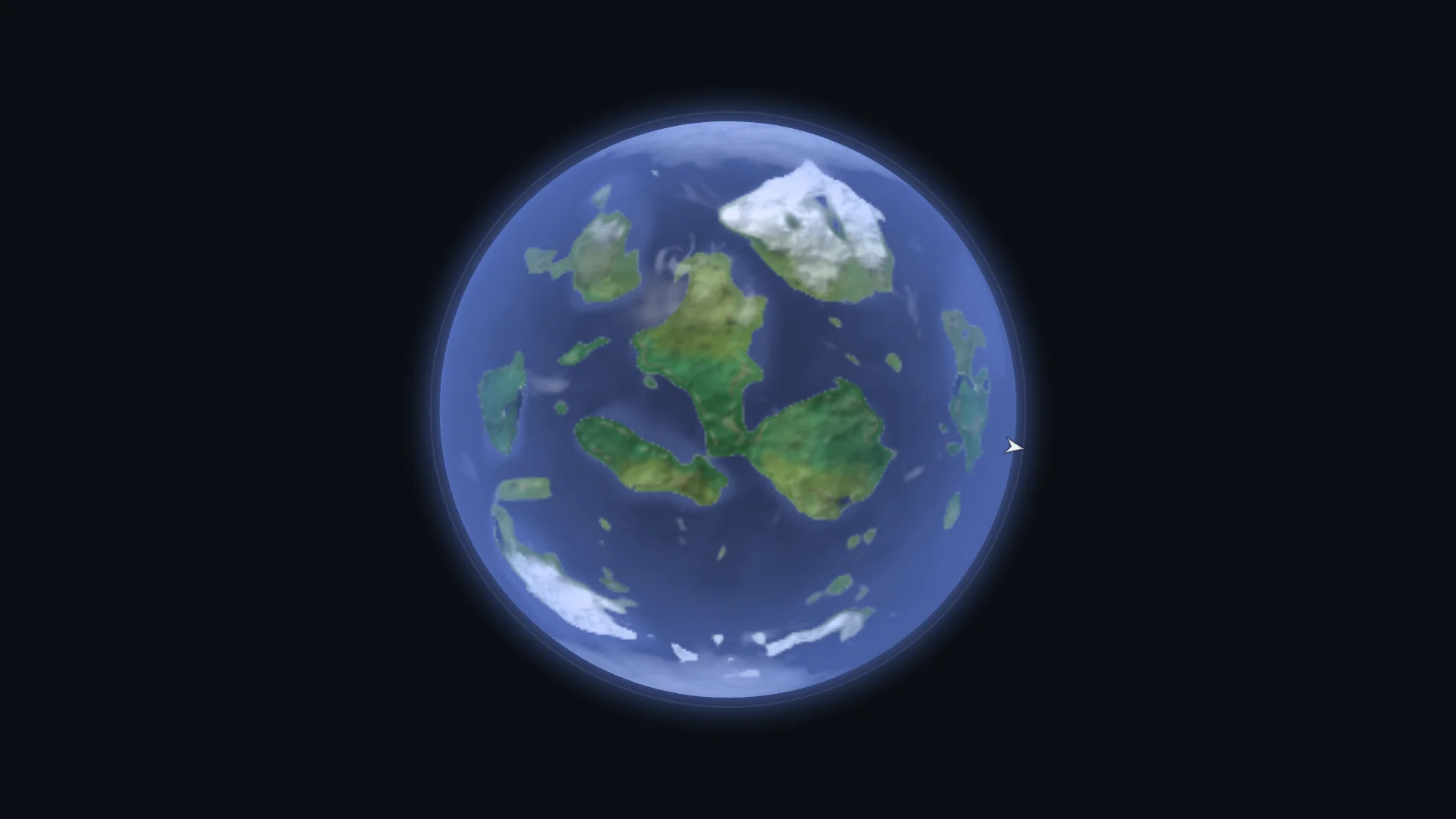
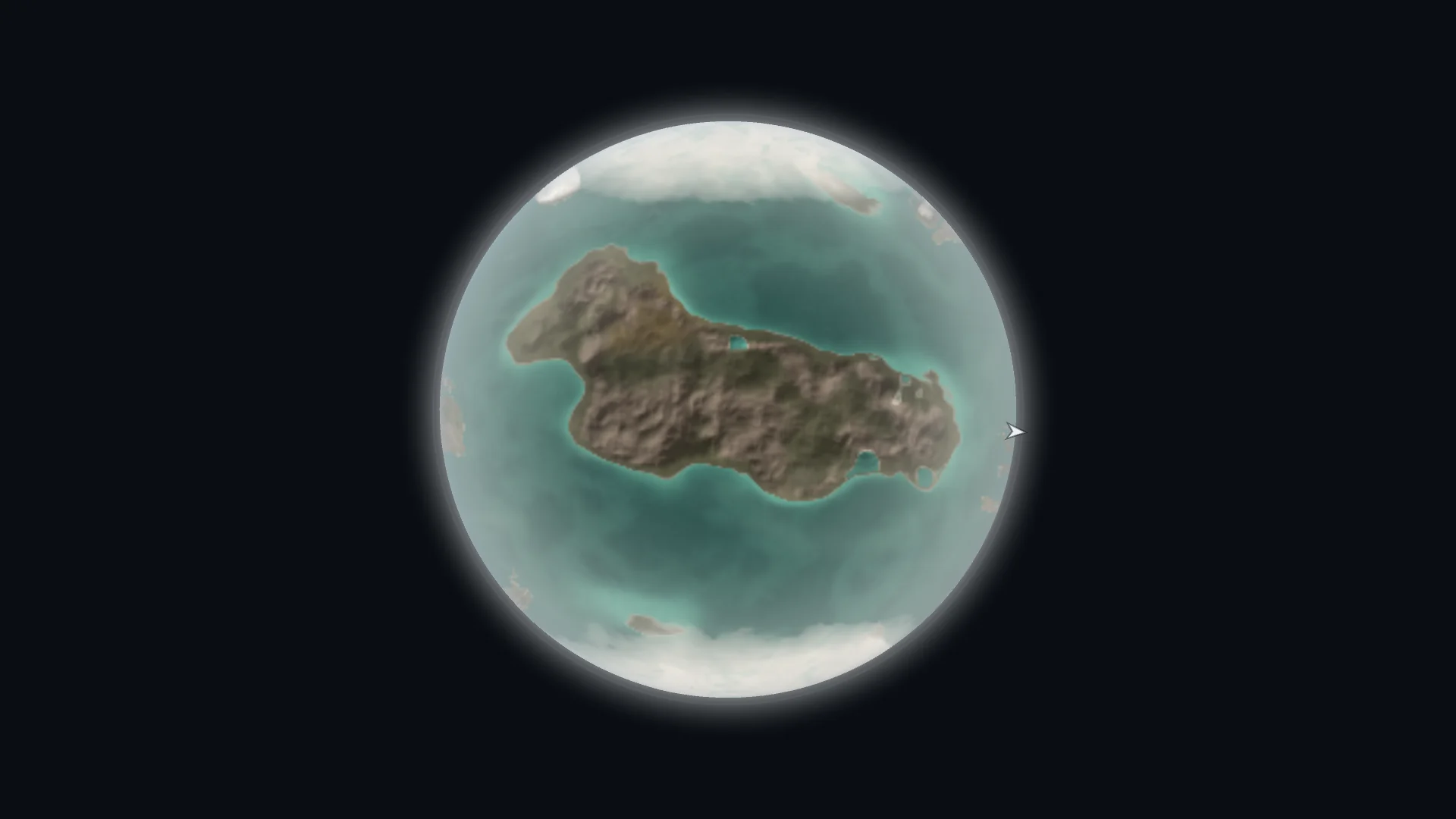
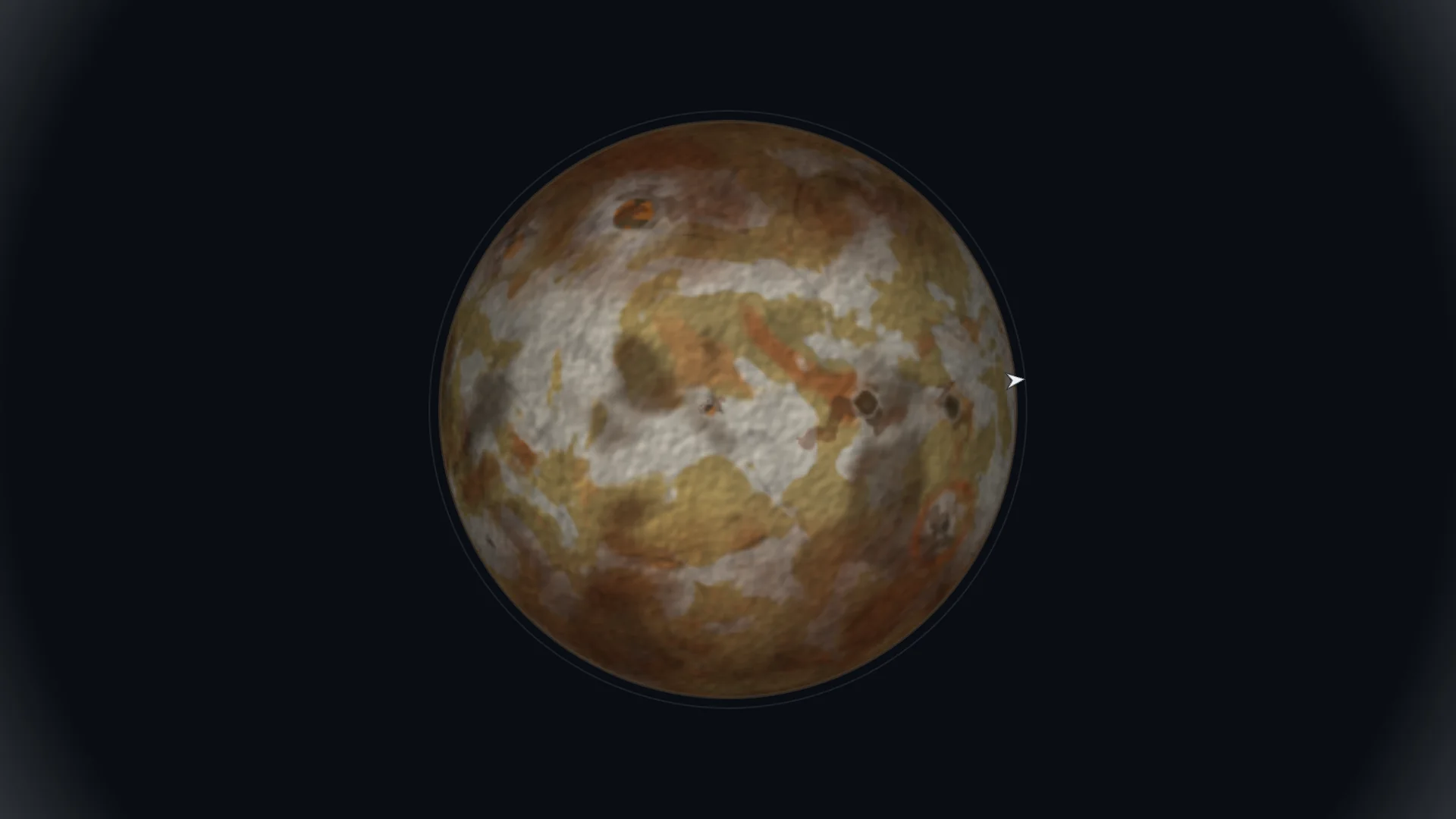
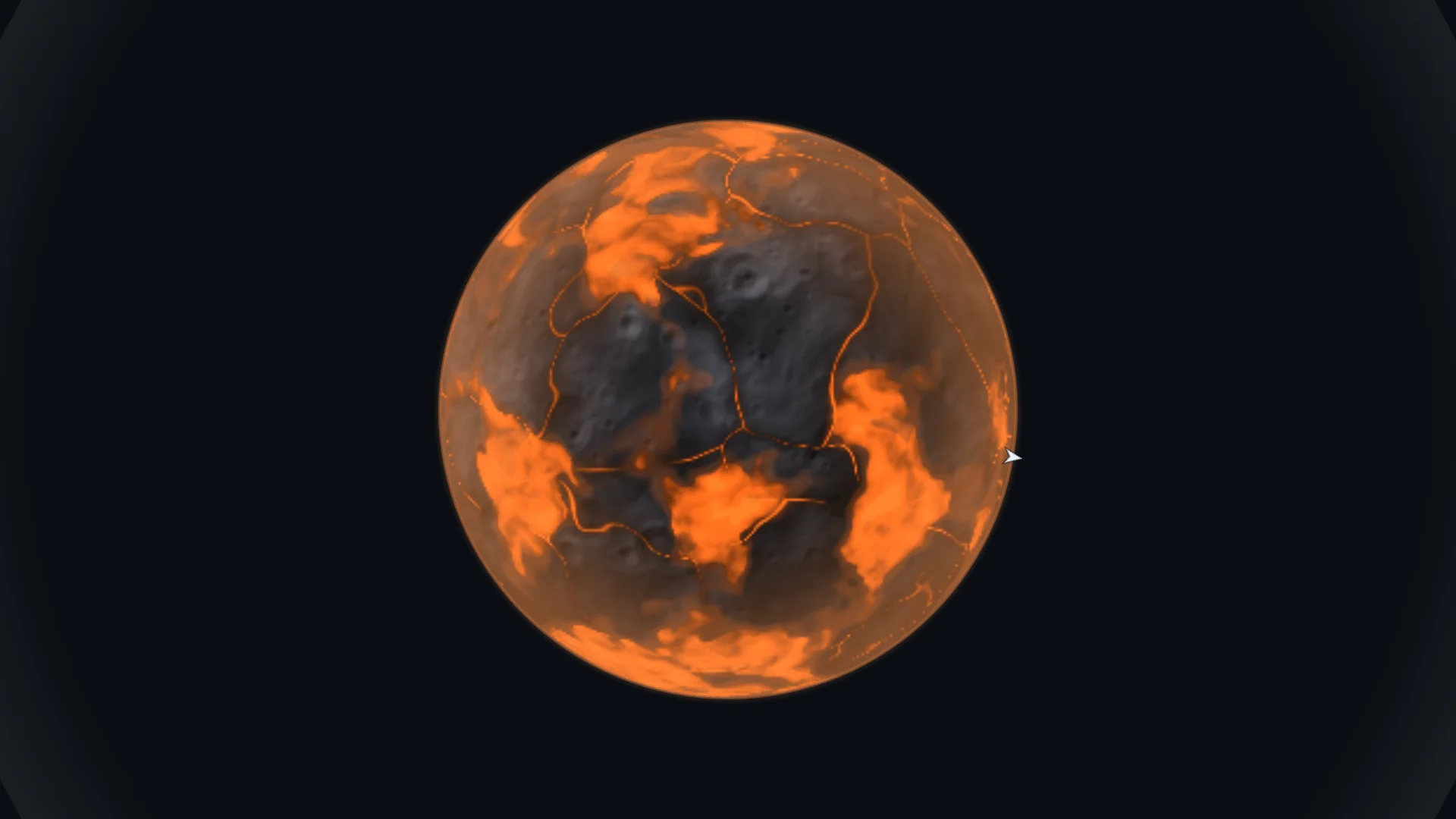
Solid worlds can be landed on, walked on and driven across. Generated surfaces are simpler than the hand-painted planets of our own solar system; their character shows best from orbit.
03 / The star finder
Ask the galaxy
for what you want.
Open the STAR INDEX from the map to search stars, galaxies, nebulae and clusters by name. The FIND tab goes further: it searches outward from wherever you are for systems that match your filters and lists the nearest first.
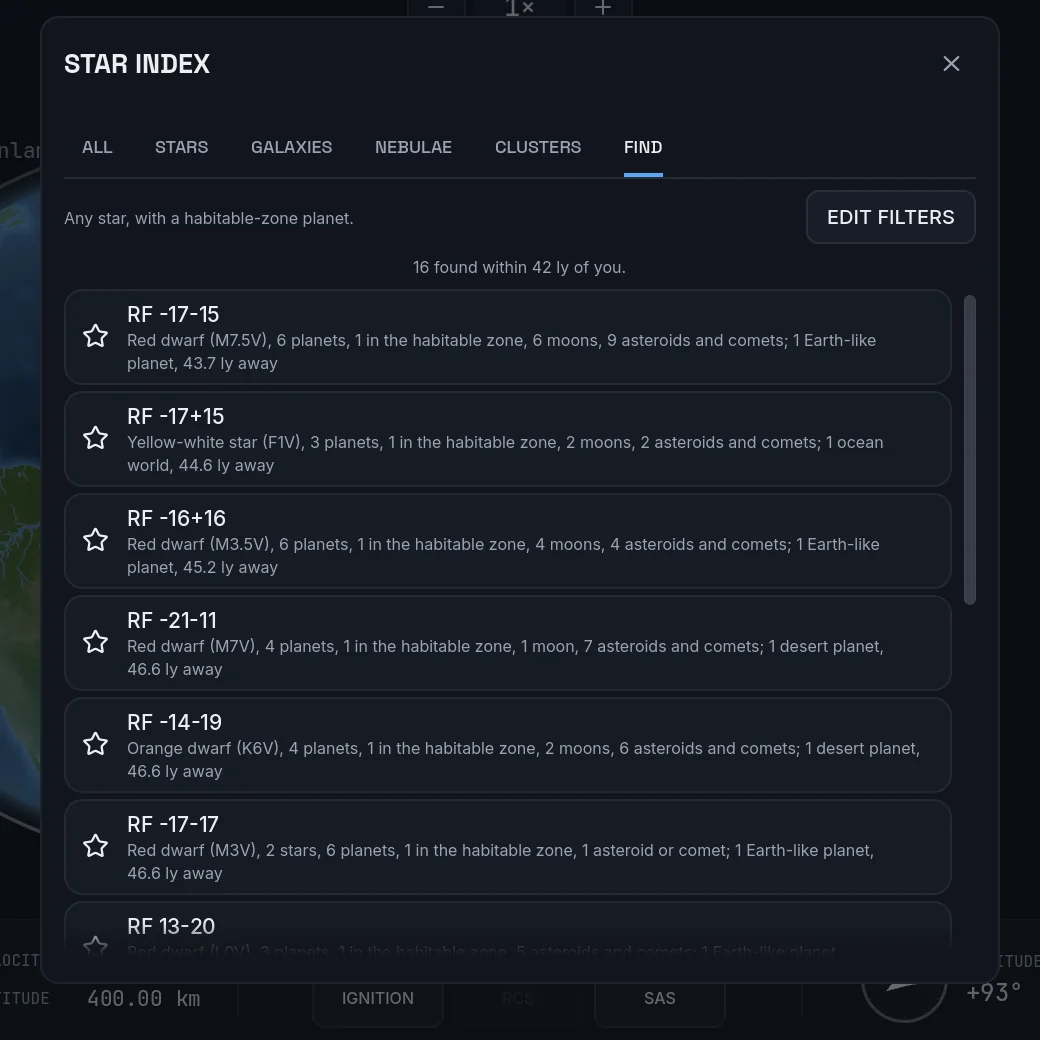
Filter by star type, single or multiple stars, number of planets, planet kind, size, gravity, liquid surfaces, rings, the habitable zone and moons. QUICK SEARCHES cover the favorites: a Pandora-like moon, a habitable planet, a giant with an air moon, a Titan-like moon, a pulsar with planets, a multiple star, a ringed giant or a black hole.
04 / Getting there
No warp drive.
Real engines.
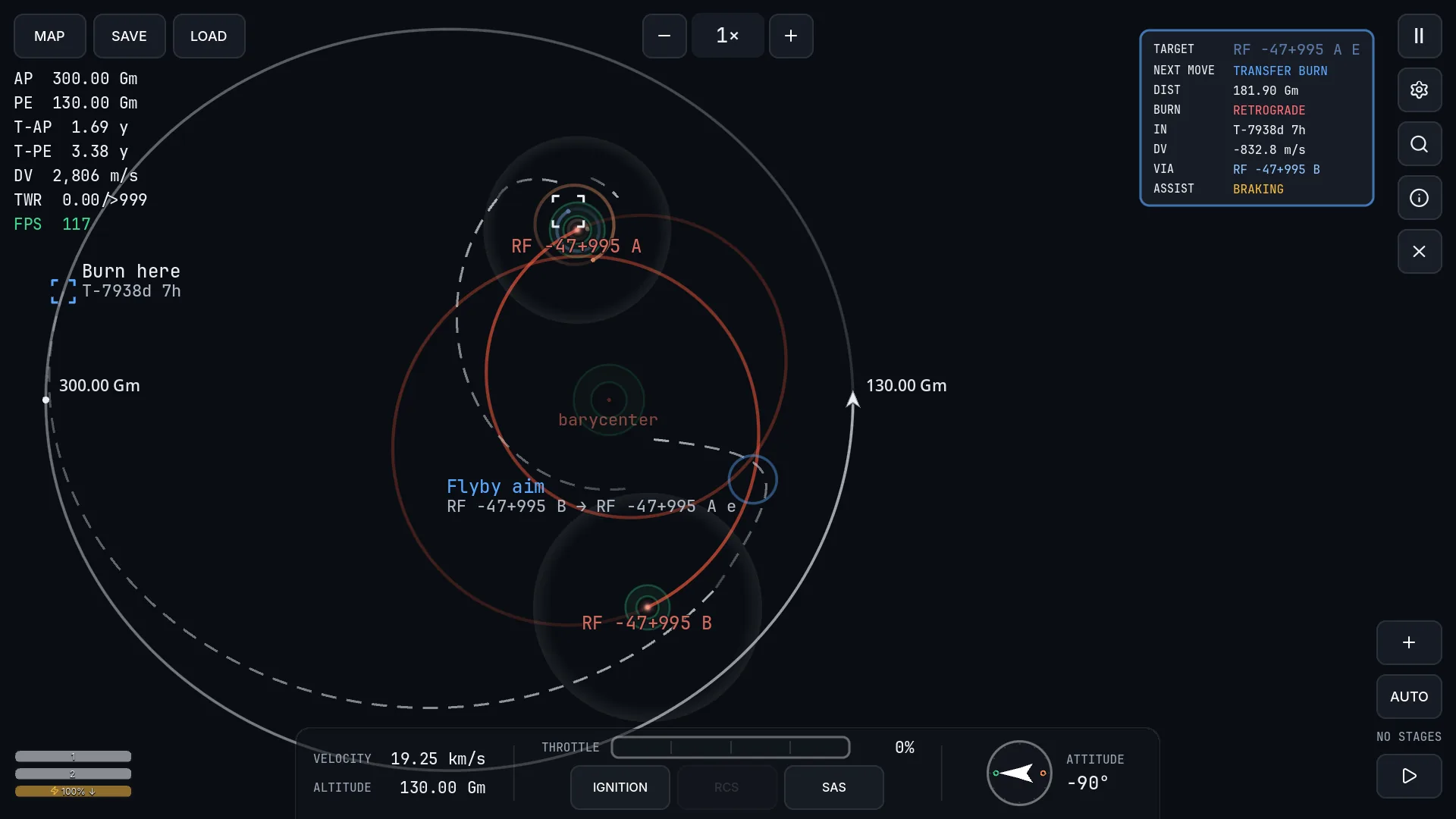
Tap a star, choose NAVIGATE and pick a cruise speed. The map plans the departure burn from your orbit. Then it is your rocket's job: the trip uses the engines and fuel you brought, so efficient engines and a good stack of tanks matter.
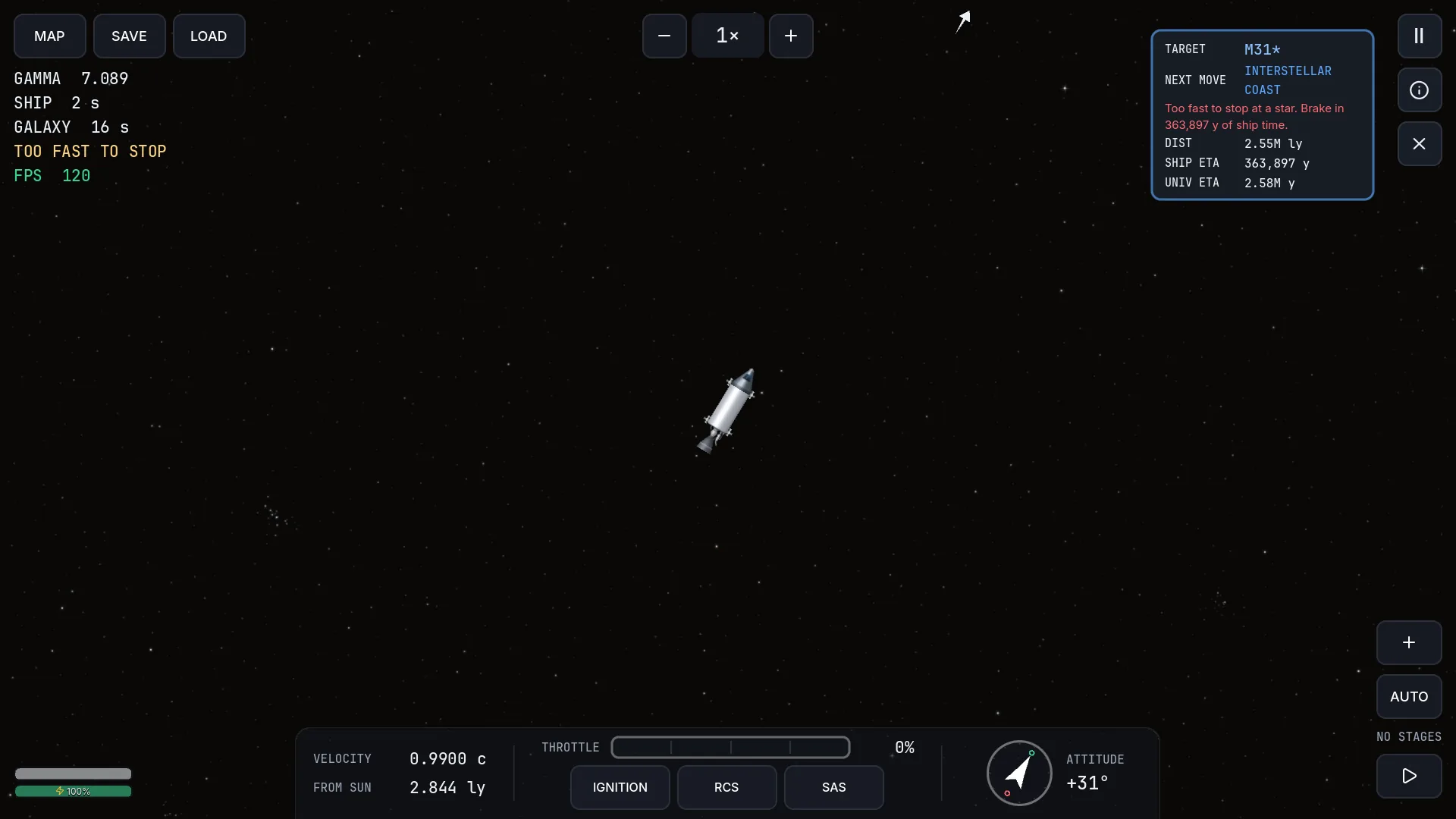
Between the stars, time warp runs up to 100 trillion times, so a voyage of thousands of years takes minutes. Push a craft toward light speed (the Sandbox fuel cheat helps) and the game tracks relativity: the HUD shows your fraction of light speed, the time-dilation factor, and separate clocks for the ship and the universe. Slow below five percent of light speed to stop at a star.
Inside a system the planner can find gravity assists for you, including slingshots past one star of a binary pair.
05 / Strange places
Black holes, pulsars
and supergiants.
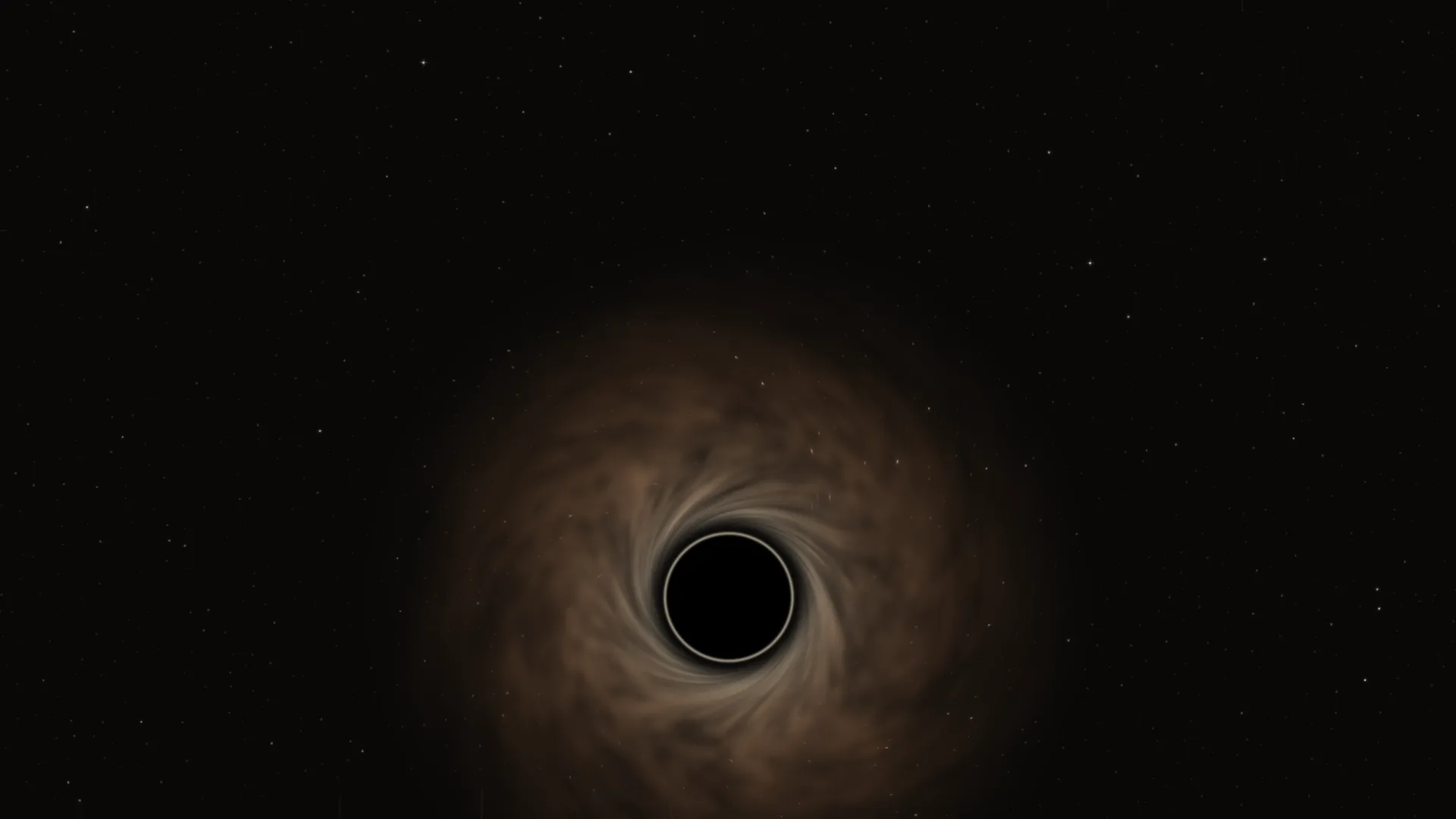
Orbit Sagittarius A* at the center of the Milky Way, chase the star S2 around it, or fall toward a stellar black hole and get torn apart by its tides. Pulsars sweep their beams across their systems, some of them with planets. Red supergiants like Betelgeuse and Antares dwarf entire planetary orbits.
06 / Beyond the Milky Way
Keep zooming out.
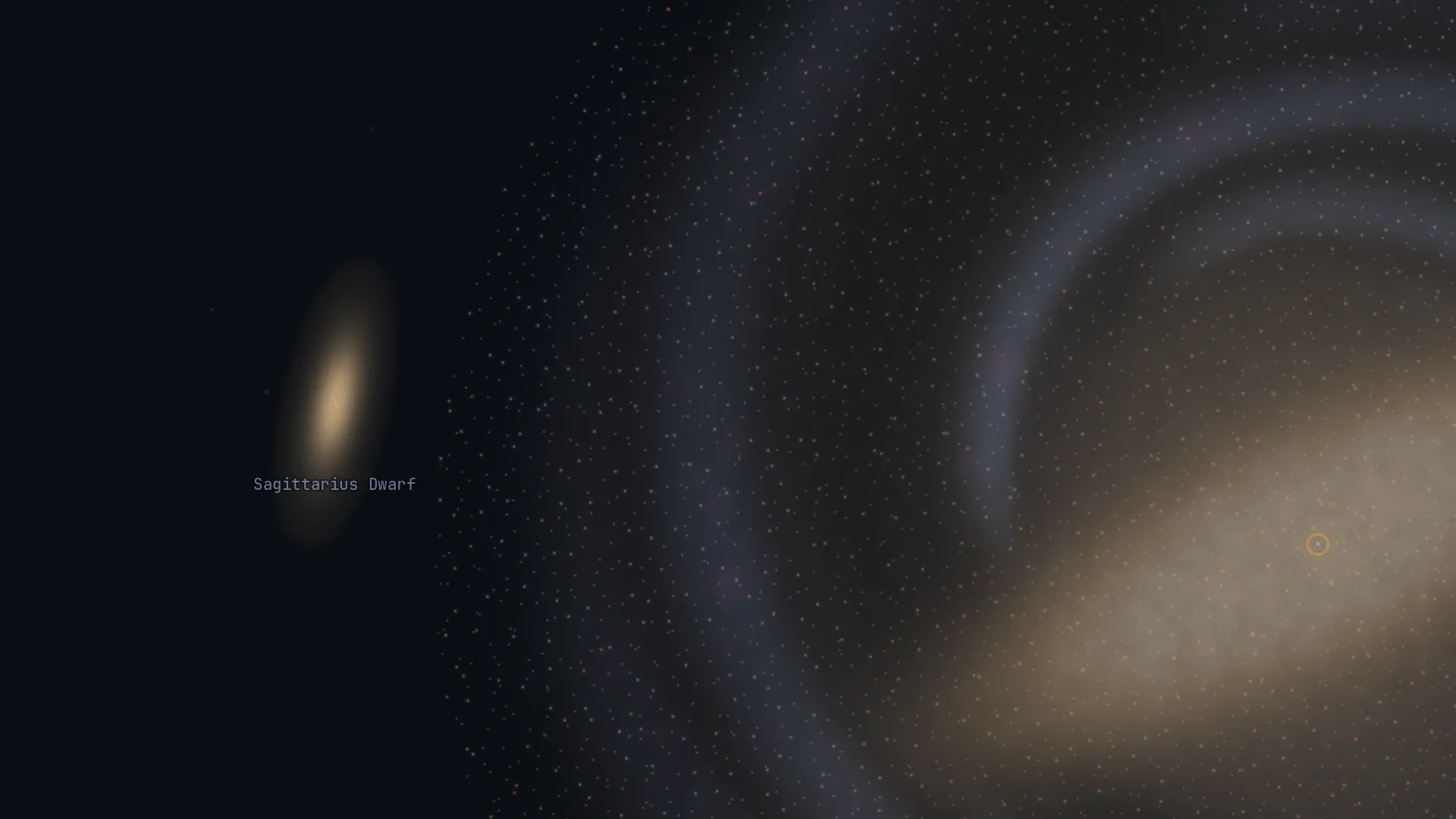
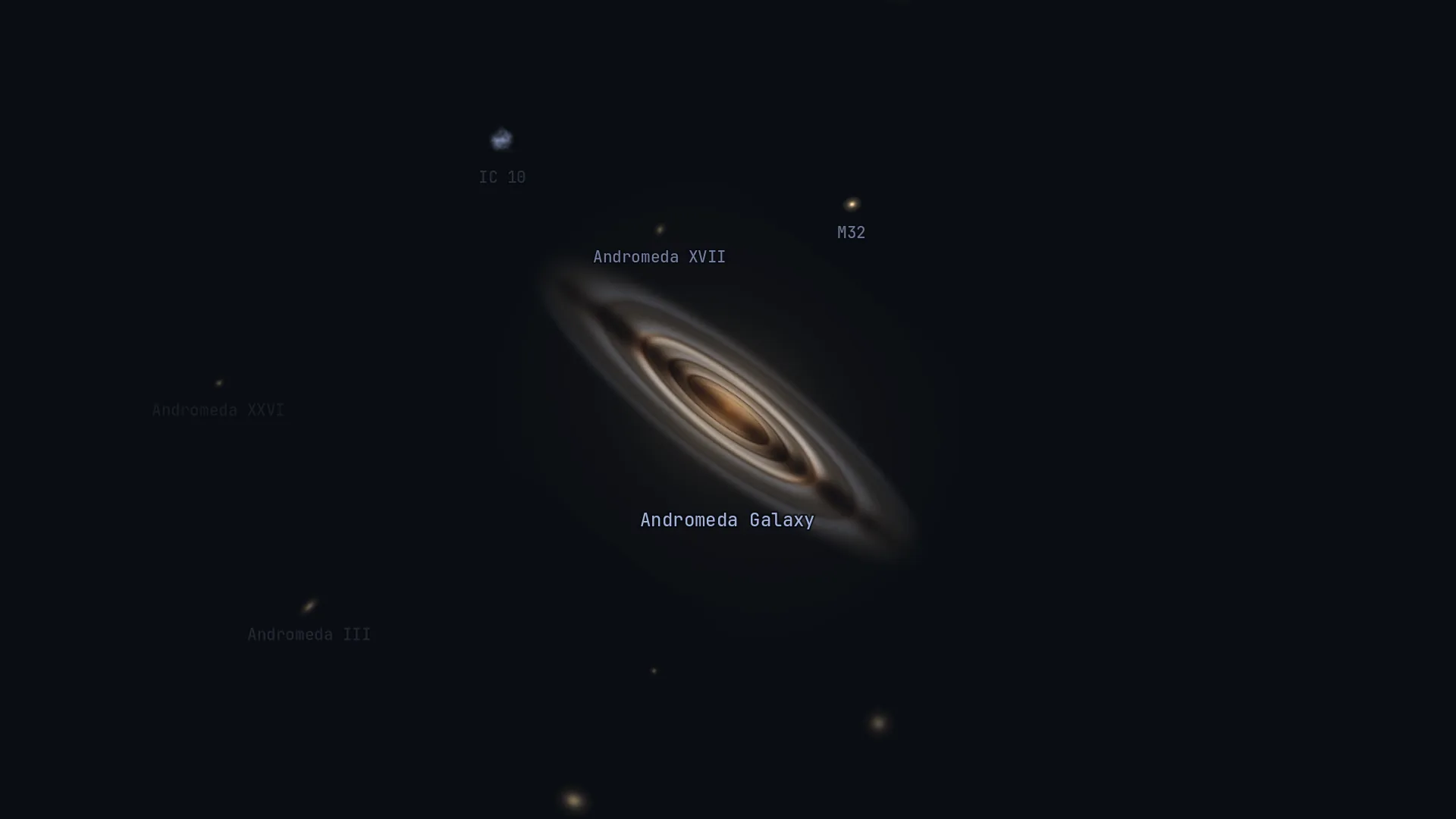
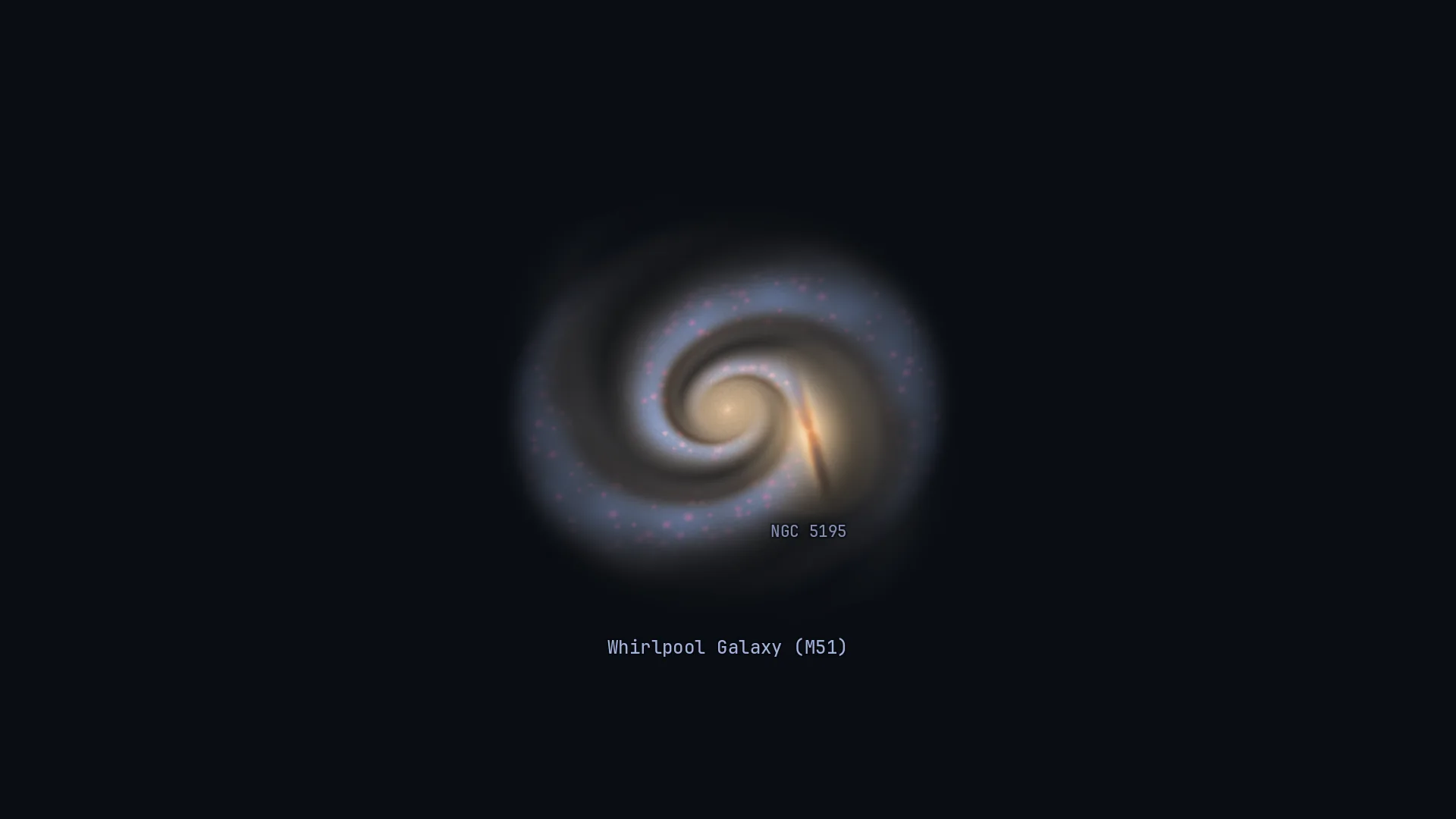
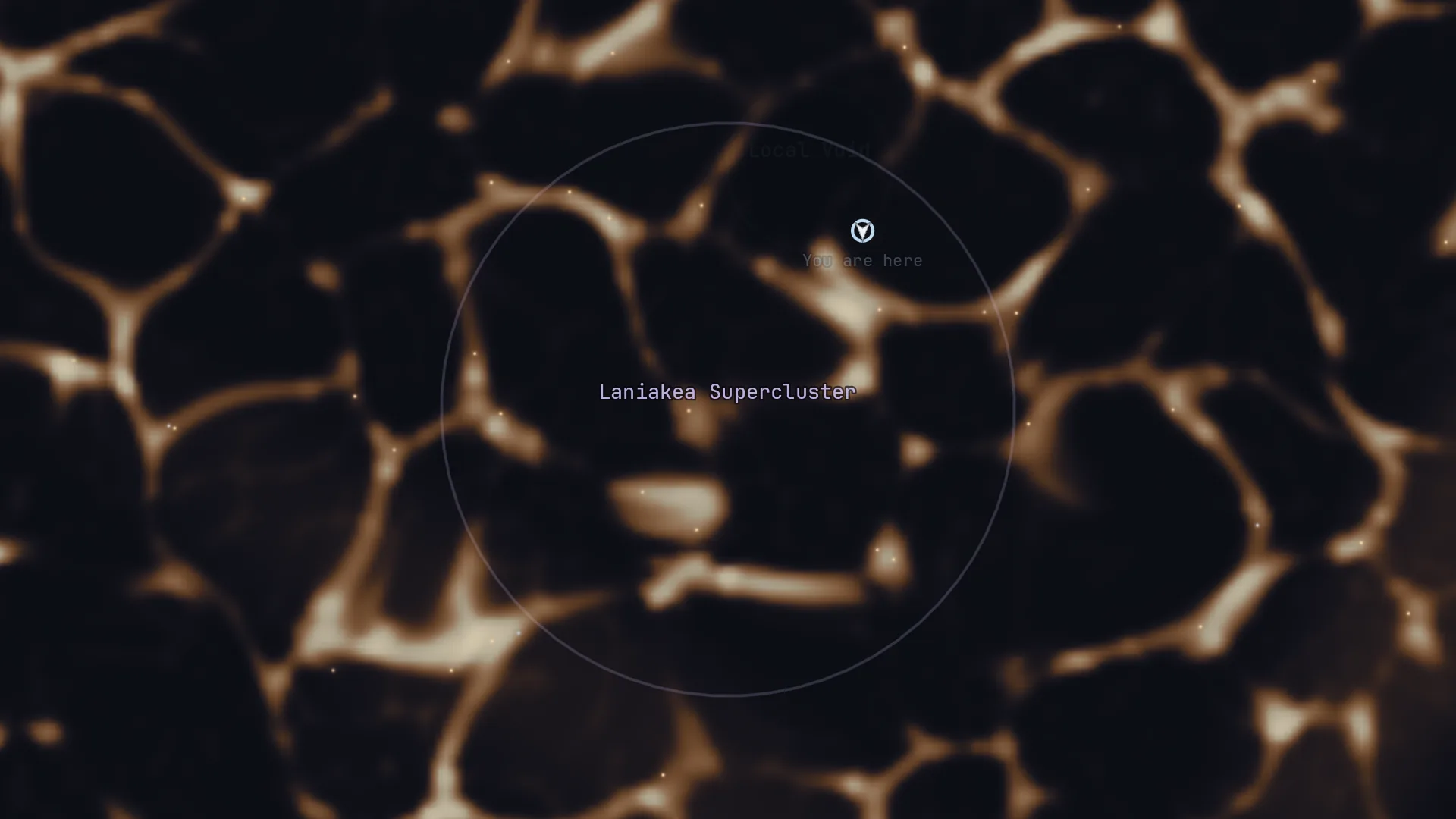
The map does not stop at the edge of our galaxy. It shows 916 real galaxies, from the Magellanic Clouds and Andromeda to the Whirlpool and the most distant galaxies known, then the superclusters and voids of the cosmic web, generated out past the edge of the observable universe.
07 / With friends
Meet up at
another star.
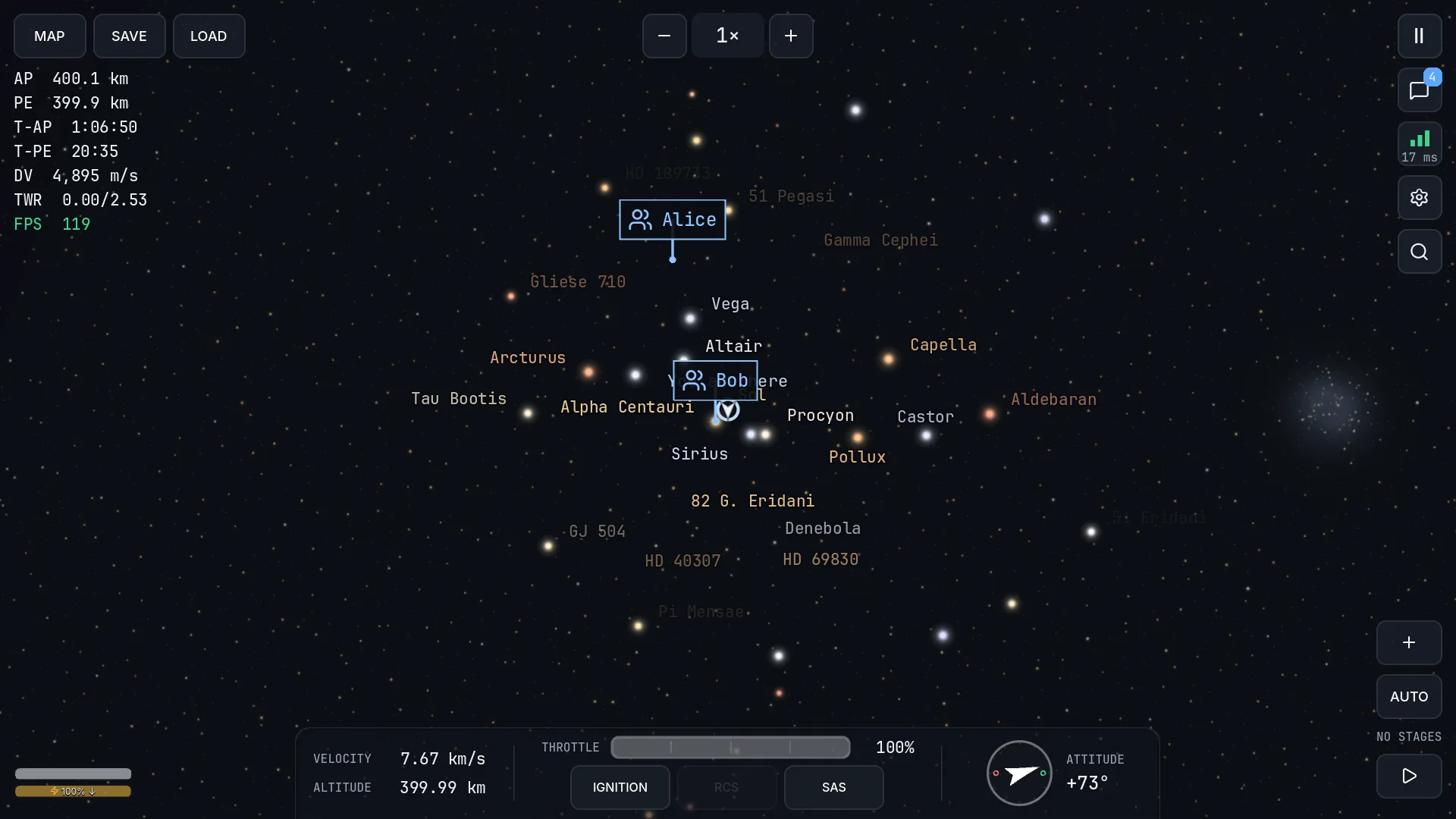
Interstellar travel works in multiplayer. Players spread across the galaxy appear on the galaxy map, spectating works across star systems, and when the host allows teleporting, GO TO and launching to another star do too. A crossing between stars runs on your own machine and rejoins the shared world when you press SYNC.
Good to know
- Interstellar travel is part of Sandbox worlds. Career keeps you in the solar system.
- Players crossing between stars cannot meet in deep space. Meet up at the destination instead.
- The galaxy is a flat 2D map that keeps each star's real distance from the Sun.
Questions
Can you really fly to other stars in Rocket Foundry?
Yes. In a Sandbox world you can pick any star on the galaxy map, plan a departure burn and travel there with the engines on your craft. Time warp reaches 100 trillion times between the stars, so a crossing of thousands of years takes minutes.
Are the stars real?
The 1,215 star systems within 50 light-years of the Sun come from a real star catalog, and more than 200 hand-charted systems add real binary stars, landmarks and confirmed exoplanets. The rest of the Milky Way is generated from fixed seeds, so every player finds the same stars and planets.
Can you land on generated planets?
Solid planets and moons can be landed on, explored on foot and driven across. Gas giants and stars cannot be landed on.
Does interstellar travel work in multiplayer?
Yes. Players can fly to other star systems in a shared world, see each other on the galaxy map and spectate across star systems. When the host allows teleporting, GO TO works between stars too. A crossing between stars is flown privately and rejoins the shared world at SYNC.
Free beta · Windows · Linux · Android · iOS
The galaxy is open.
Bring a rocket.
Download the beta, find a world nobody has visited yet, and invite a friend to fly it with you.